A phone battery is a consumable component. This section explains how batteries age, how to interpret health information, which habits matter and when replacement is financially sensible.
Scope of this page: This is the broad ownership guide to battery condition, ageing, replacement and cost. Technical battery basics and the replacement decision are treated in dedicated pages.
Choose your battery question
| Question | Guide |
|---|---|
| Why has runtime fallen? | How Phone Batteries Degrade Over Time |
| How do I check condition? | How to Check Your Phone's Battery Health |
| Which habits are worth changing? | How to Extend Your Phone's Battery Life |
| Should I replace it? | Is Replacing a Phone Battery Worth It? |
| Which service route? | Phone Battery Replacement: Cost and Options |
| What happens to water resistance? | Does Replacing the Battery Affect Waterproofing? |
Capacity, runtime and performance are different
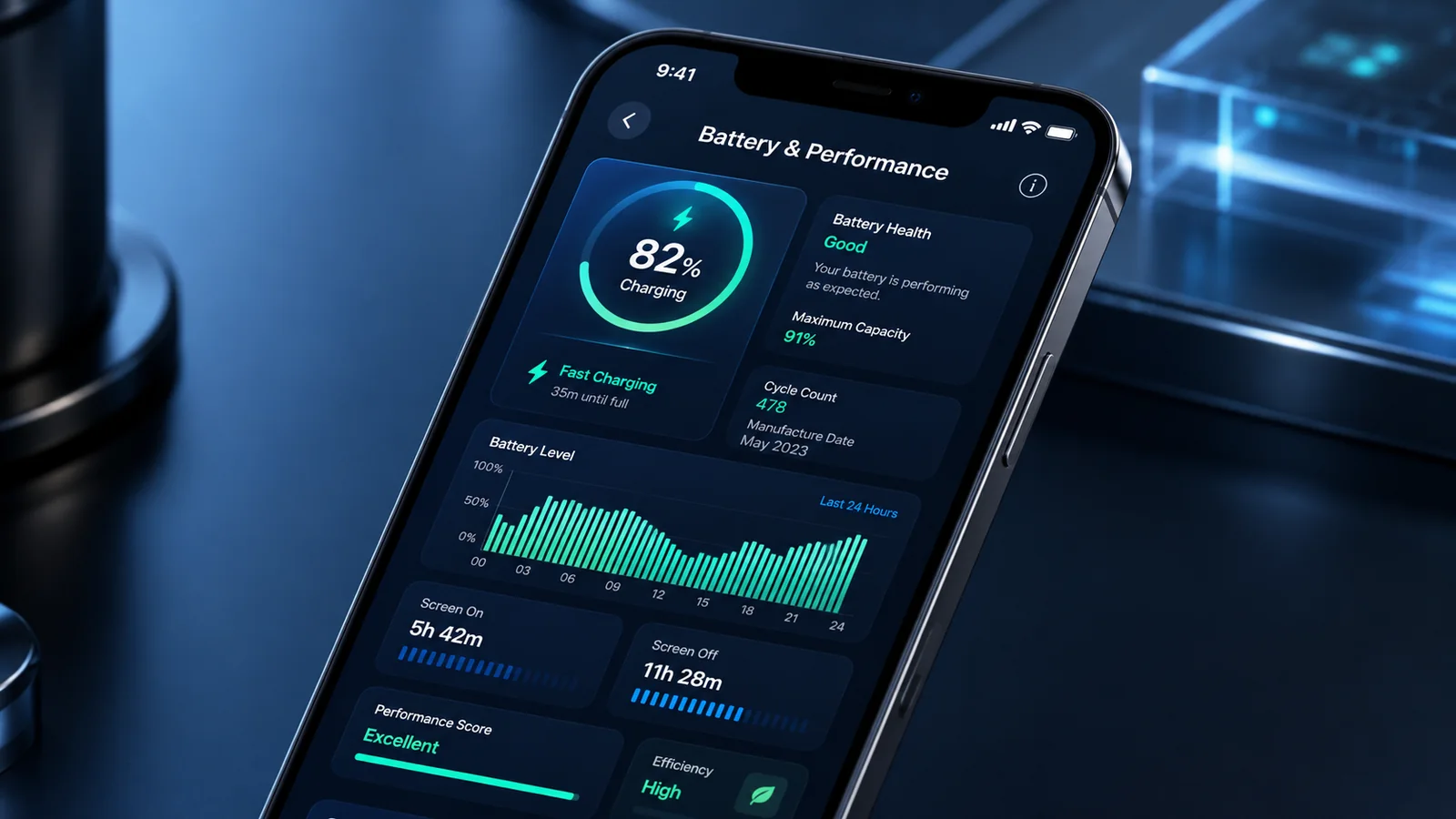
Capacity describes how much charge the battery can store relative to when it was new. Runtime depends on capacity and current power use. Performance can be limited when an aged battery cannot deliver peak power reliably. A phone can have acceptable measured health yet drain quickly because of screen use, background activity or weak signal.
Safety overrides optimisation
Stop using and charging a phone with a swollen battery, lifting screen or back, unusual smell, smoke or severe heat. Do not puncture, compress or attempt a DIY removal. Arrange appropriate service and battery disposal.
Use manufacturer tools where available
iPhone, supported Pixel models and Samsung Galaxy devices expose different battery information. Do not convert one brand's status into a universal percentage rule.
Make battery decisions in the ownership context
A battery with lower capacity can still be acceptable in a low-use backup phone, while the same battery may be unusable for travel or work. Judge condition against the required day, charging access and consequences of shutdown.
Buying and selling
When buying used or refurbished, ask for the seller's battery policy rather than assuming the cosmetic grade includes battery condition. When selling, describe material battery warnings honestly and keep any replacement invoice.
More around Phone Battery Guide
Evidence and official references: Phone Battery Guide
- Apple: iPhone battery and performance
- Samsung: Galaxy battery diagnostics
- Google Pixel: battery health and charging
A final check on Phone Battery Guide
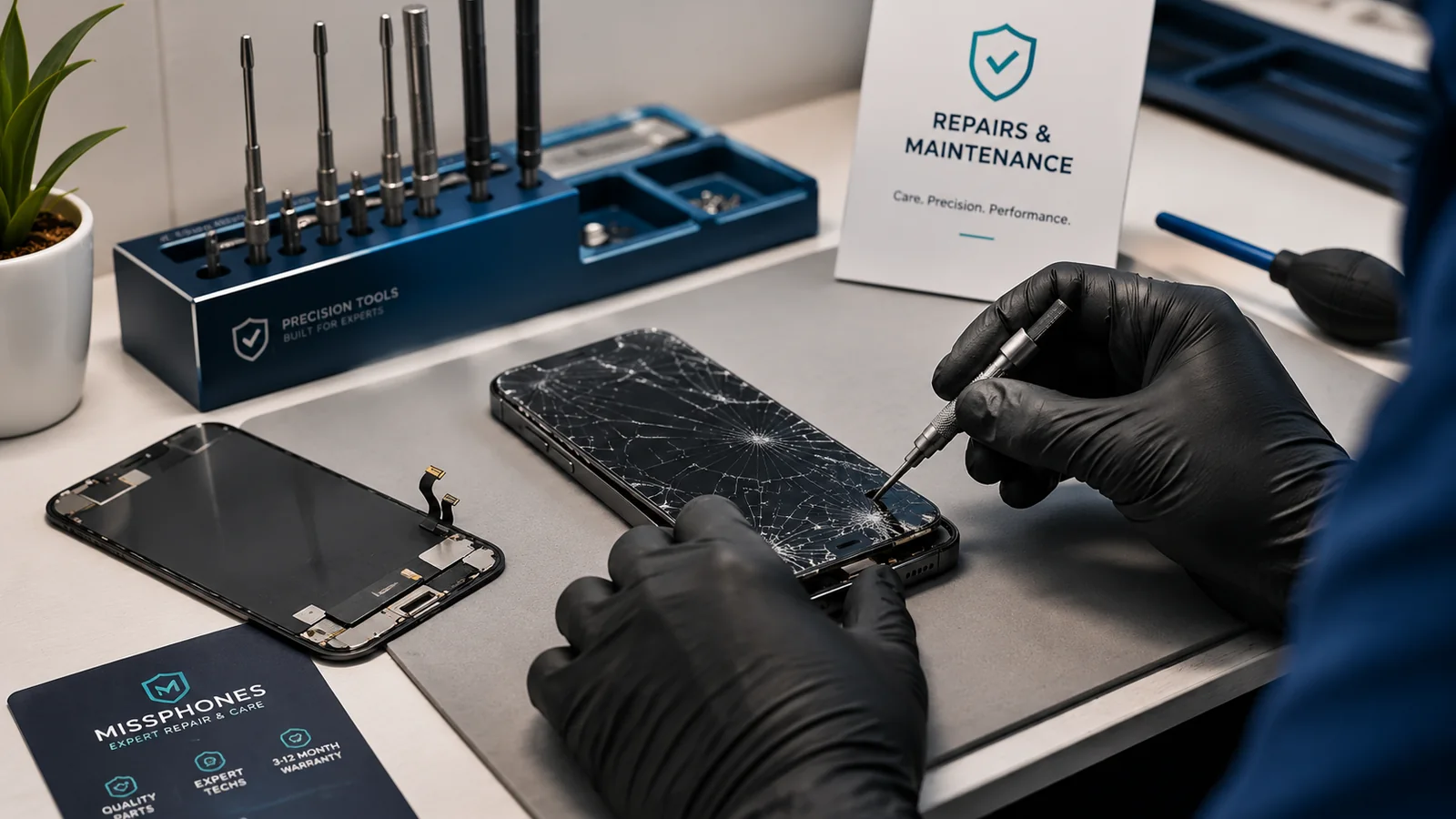
- Repair quality matters:ask what part is being fitted, what repair warranty applies and what opening the device means for seals or water-resistance claims.
- Battery condition, not just percentage:read any battery-health figure alongside real runtime, unexpected shutdowns, heat and charging behaviour rather than treating one percentage as a complete diagnosis.
- Separate capacity from charging faults:distinguish poor runtime from slow charging, damaged cables, port problems, temperature limits or software settings before paying for a replacement battery.
- Replacement economics:compare a reputable battery replacement with the phone’s remaining software support, overall condition and expected resale value.