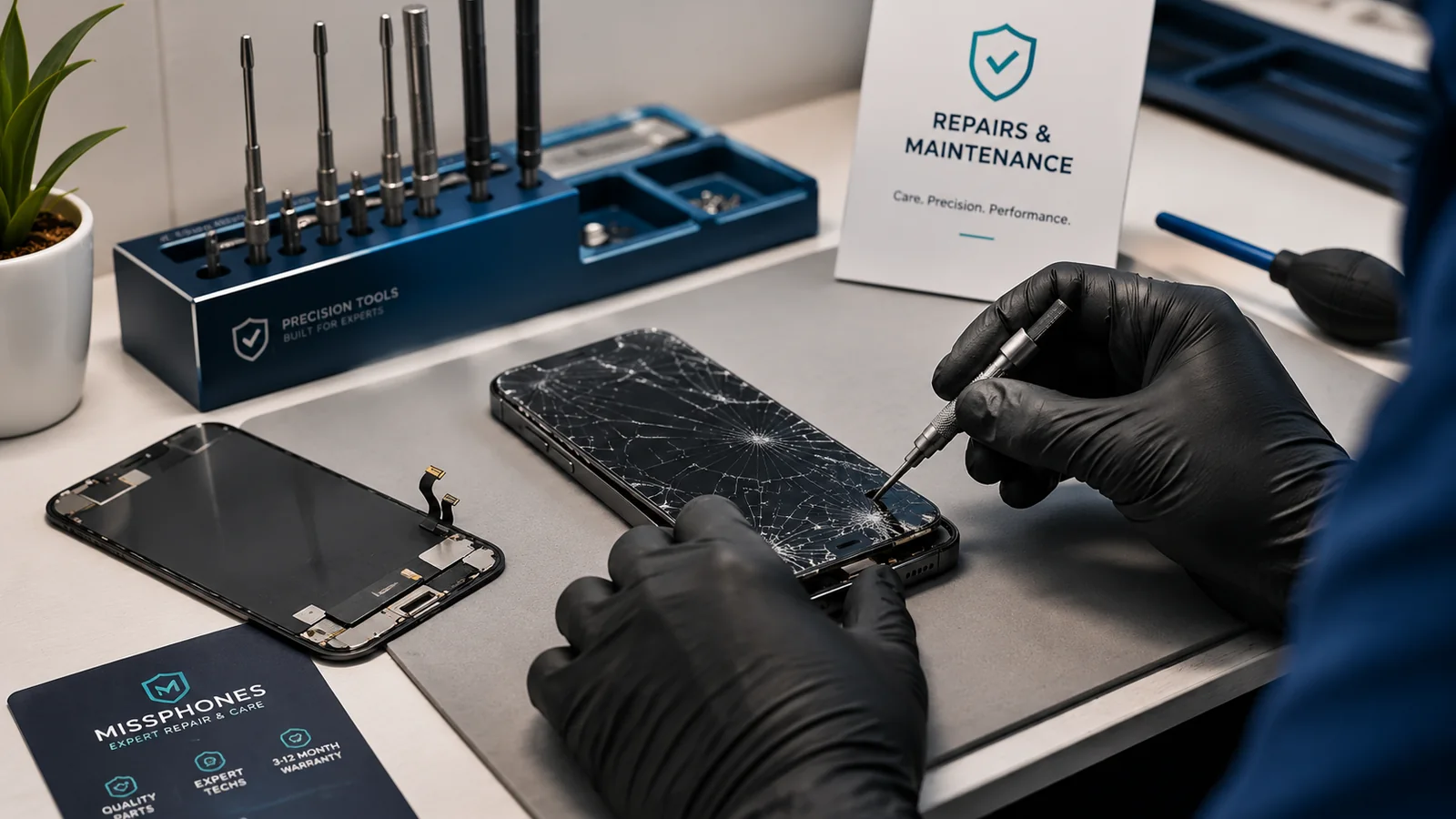
Battery degradation is the gradual loss of usable capacity and power capability through chemical ageing. It is influenced by time, charge cycles, temperature and use; it is not caused by one imperfect charging session.
Calendar ageing and cycle ageing
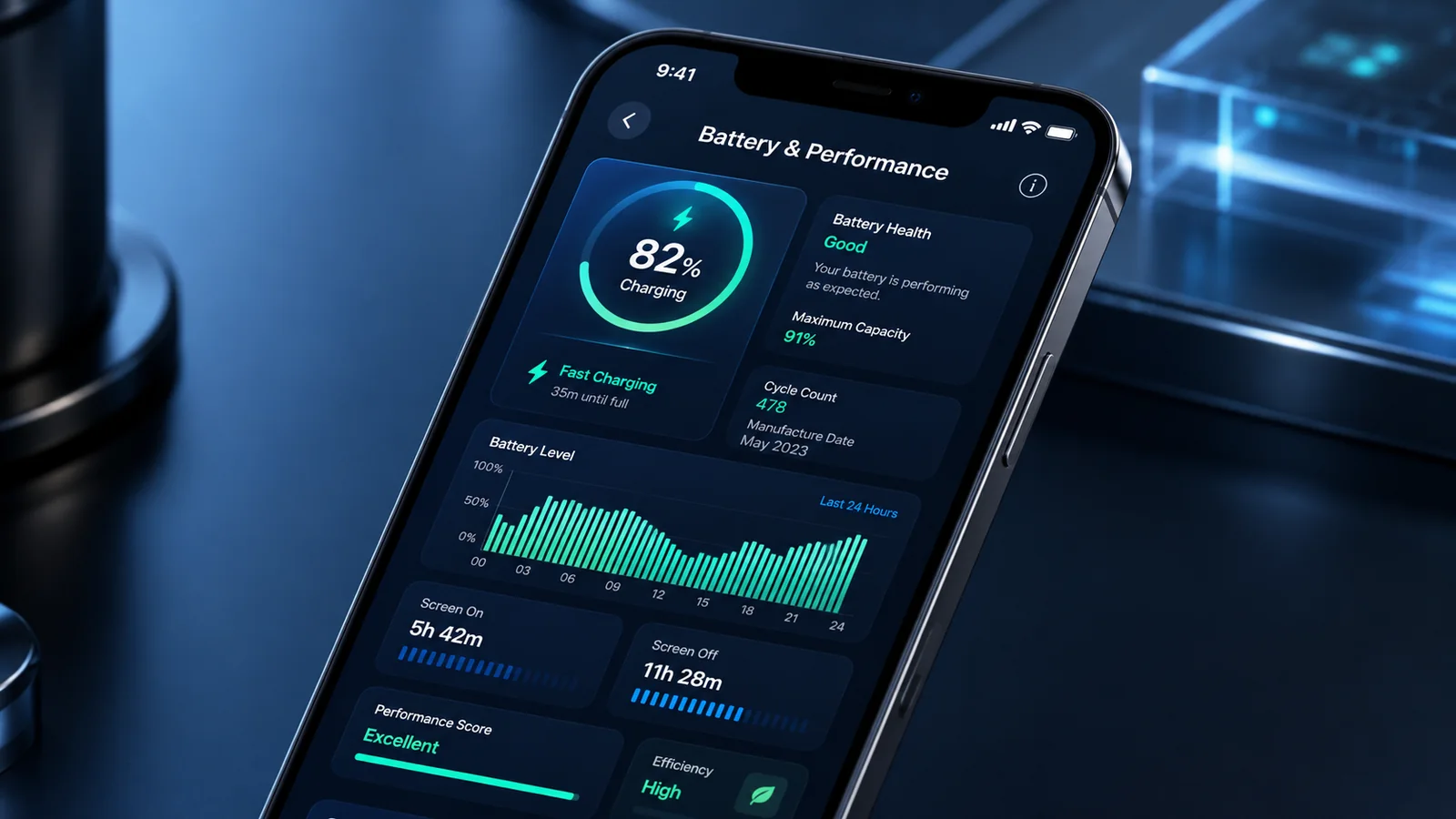
A battery ages while stored as well as while used. Each complete charge cycle represents a total amount of use equal to 100% of capacity, which can be accumulated through several partial charges. Plugging in twice does not necessarily mean two cycles.
Heat has an outsized effect
Charging creates heat, and heavy workloads can add more. Avoid leaving a phone charging in direct sun, a hot car, under bedding or in another poorly ventilated place. Samsung identifies 0–35°C as the optimal usage range for Galaxy devices and notes that charging may be limited outside the device's protective range; use the guidance for your own model.
High charge and deep discharge
Spending long periods at full charge or repeatedly reaching complete discharge can add wear. Charging-optimisation features reduce time at full charge on supported devices. There is no need to interrupt normal life to hit an exact percentage every day; preventing heat and severe repeated extremes matters more.
What degradation looks like
- shorter runtime under the same use;
- unexpected shutdowns during demanding tasks;
- slower performance or peak-power limitations;
- more frequent charging;
- health or service messages.
Swelling is not ordinary inconvenience; it is a safety problem requiring immediate discontinuation of use.
Do not predict lifespan from cycles alone
Cycle counts are useful context but do not measure heat history, storage, manufacturing variation or current workload. Apple publishes different design targets for different iPhone generations, demonstrating why one “500-cycle rule” should not be applied to every phone.
Fast charging is not a simple good-or-bad choice
Supported fast charging is managed by the phone and charger, but it can create more heat under some conditions. Use compatible equipment, ventilation and charging optimisation. Slower charging can be useful when time does not matter, but buying an unsuitable low-quality charger is not battery care.
Storage conditions matter
A phone left unused at full charge in a hot place can age even without cycles. A phone stored fully depleted can fall into deep discharge and become difficult to recover. For long storage, follow the manufacturer's charge and temperature instructions and inspect the device periodically.
Software estimates can move
Battery-health estimates may adjust after updates, calibration changes or different usage. A one-point change does not prove sudden physical damage. Look for a trend alongside runtime and shutdown behaviour.
Ageing is not the same as a defect
Gradual capacity loss is expected. Sudden swelling, severe heat, smoke, smell or rapid change is not routine inconvenience and needs a safety response. Warranty, service programmes and consumer rights depend on the facts and current terms.
Related guidance: For the wider ownership-cost decision, use Cost of Ownership. The Smartphone Cost of Ownership Guide brings the main costs, checks and trade-offs together.
Sources and fact-checking
Facts checked: 25 July 2026. Repair prices, parts policies and warranty terms can change. Check the exact model and current written terms before acting.