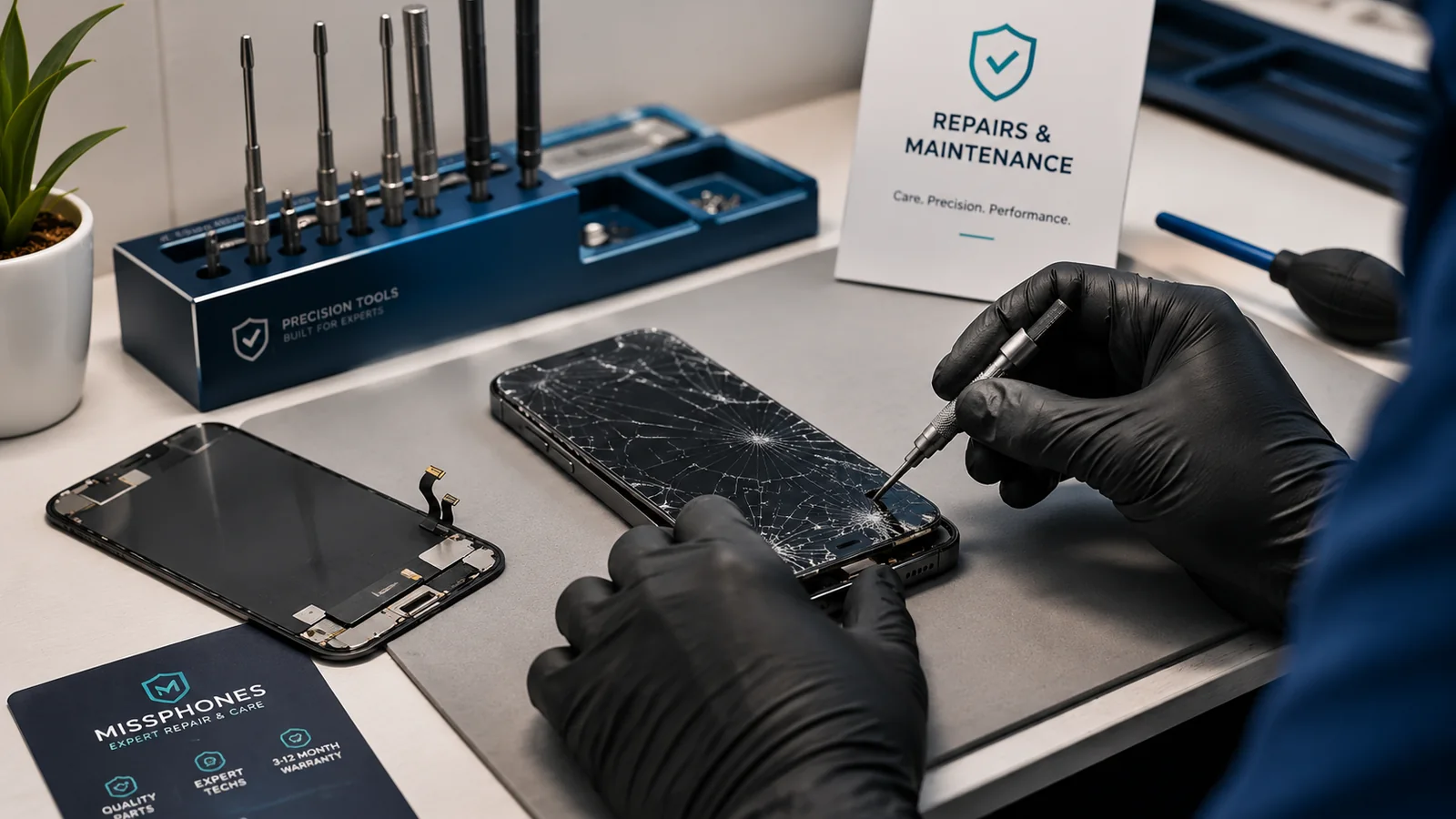
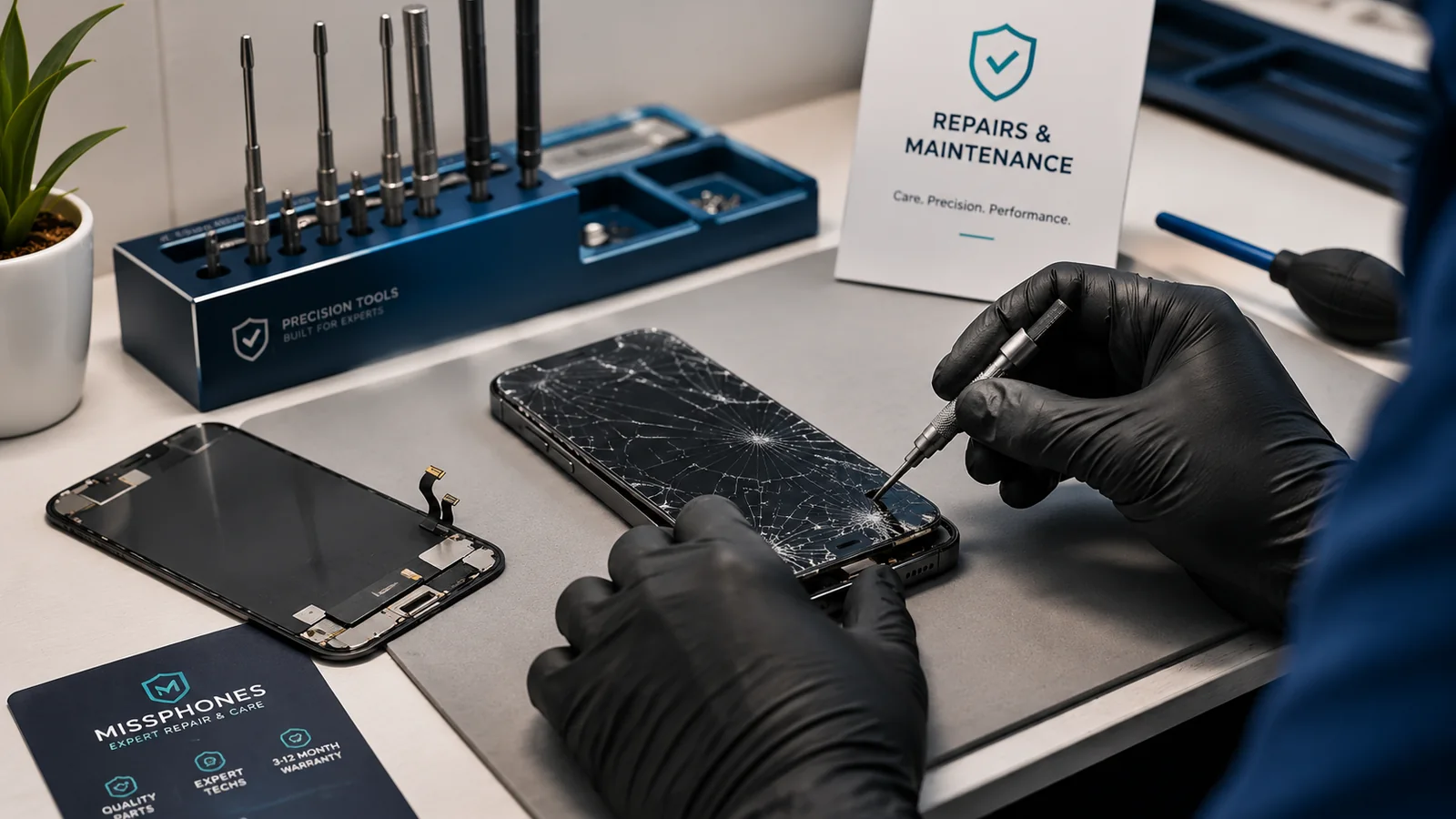
A trustworthy phone repairer should explain the diagnosis, part, price, data risk and warranty before taking payment. A polished website or high review score is useful context, but neither replaces a written job description.
Decide which repair route fits the job
| Route | Potential advantage | Check carefully |
|---|---|---|
| Manufacturer or authorised provider | Manufacturer process, recognised parts and service records | Price, turnaround, whole-unit replacement and data-erasure requirements |
| Independent repairer with manufacturer programme access | Local service with access to some genuine parts and procedures | Exact programme status and what the manufacturer does or does not back |
| Other independent repairer | Choice of parts, lower price or board-level work | Part source, technician experience, warranty and effect on future service |
| Mail-in service | Specialist capability or national coverage | Transit insurance, tracking, identity of the actual repairer and return process |
Ask seven questions before booking
- What fault are you diagnosing, and is the diagnostic fee included?
- What exact part category will you fit?
- What is the total price including VAT, delivery and any unsuccessful-repair fee?
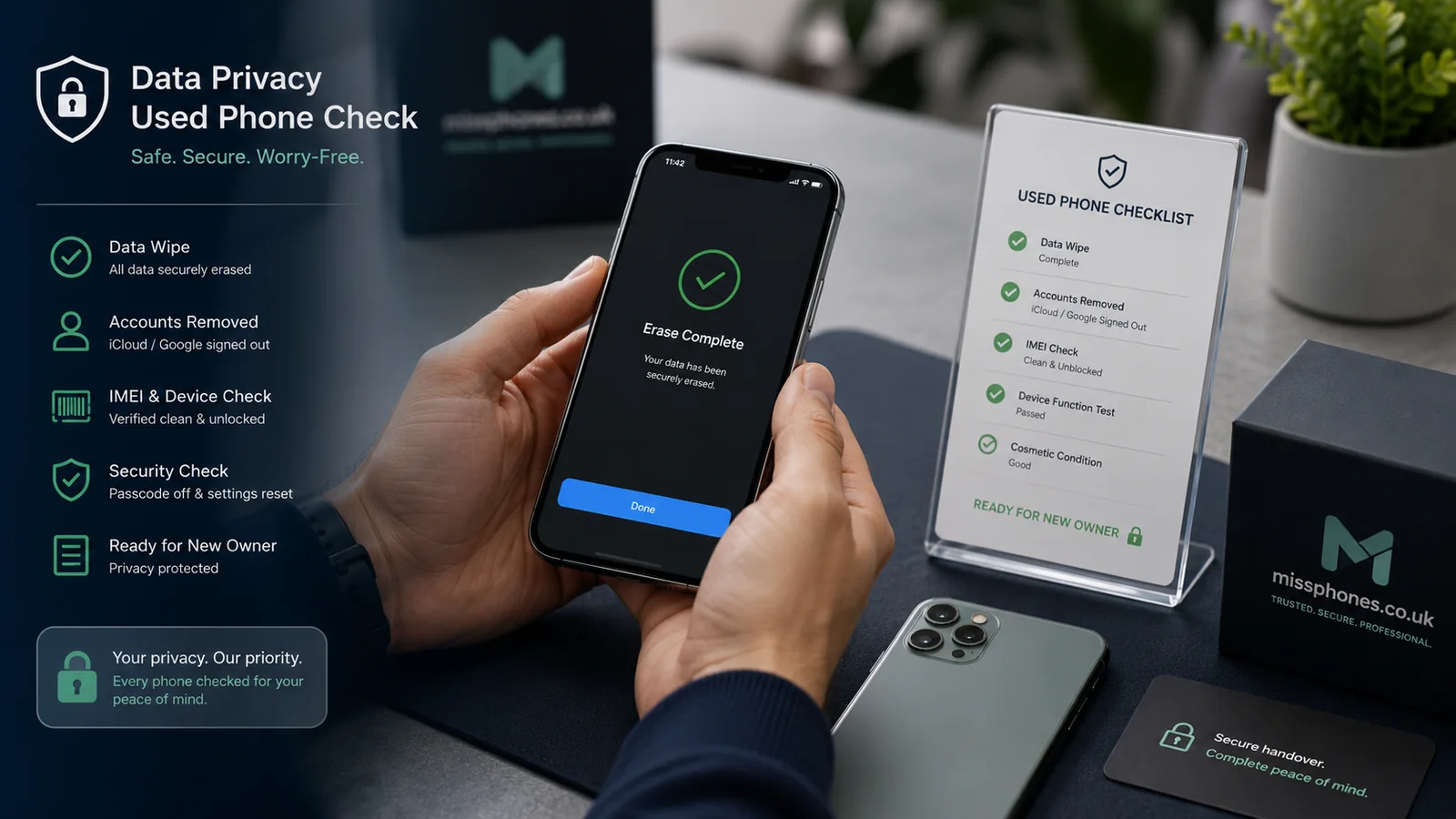
- What data access is required and may the phone be erased?
- What written warranty covers the part and labour?
- What happens if another fault is discovered?
- What claim, if any, do you make about water resistance after opening the phone?
Verify claimed status
“Apple certified”, “Samsung approved” or “authorised” should be verifiable through the relevant manufacturer's current locator or programme. Apple distinguishes Apple-authorised repairs from independent providers that may have access to genuine parts but offer their own warranty. Do not broaden a real accreditation for one brand into a claim of universal technical competence.
Check the paperwork
The quote should identify the phone, fault, part, labour, price and likely timescale. Photograph the device and record its IMEI or serial number. The receipt should state what was done and the repair warranty. If a shop refuses to describe the part or says the warranty exists only verbally, choose another provider.
Know your rights as a service customer
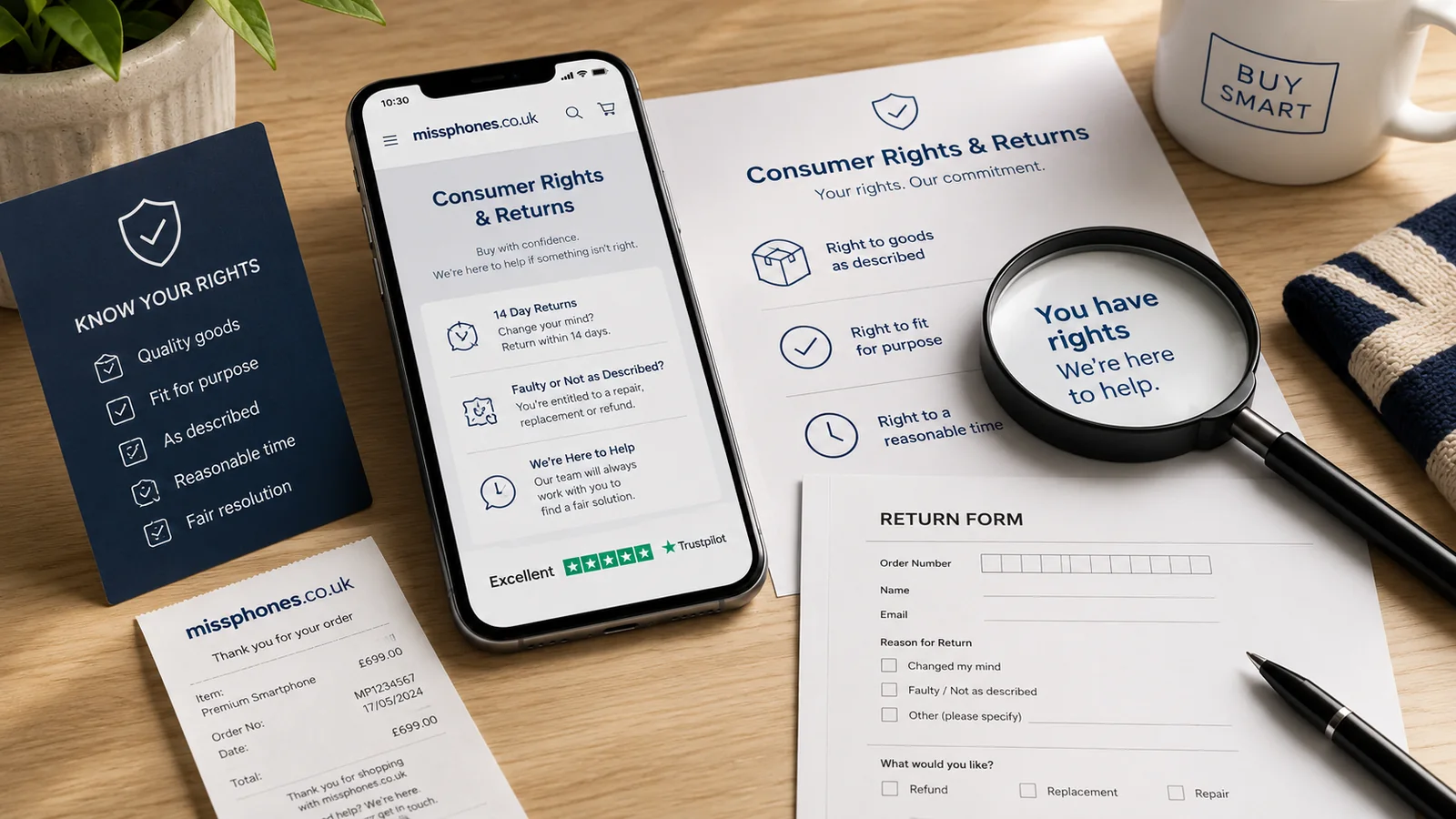
A trader's repair service must be performed with reasonable care and skill. Information said or written about the service can become binding when the consumer relies on it. Keep screenshots, messages and the original quote, especially if the phone returns with a different fault or additional damage.
Read reviews for evidence, not averages
Look for reviews that name the same model and repair, explain how a failed repair was handled and cover more than the first day. A burst of vague five-star ratings is less useful than a smaller number of detailed accounts. Check how the business responds to complaints without assuming that every negative review is accurate.
Protect yourself when posting a phone
Use tracked, appropriately insured delivery accepted by the repairer, photograph the package and follow restrictions for devices containing lithium batteries. Confirm who carries the transit risk and whether the service returns unrepaired phones. Never post a visibly swollen or damaged battery through an ordinary route without explicit safe-shipping instructions.
Red flags
- the price is available only after handing over the unlocked phone;
- the repairer will not identify the legal business or return address;
- the passcode is requested without explaining why;
- the part is described only with marketing terms;
- there is no receipt or written repair warranty;
- additional work can be carried out without a spending limit.
Related guidance: For the wider insurance and repair decision, use Insurance and Warranty. The Phone Insurance and Warranty Guide brings the main costs, checks and trade-offs together.
Sources and fact-checking
Facts checked: 25 July 2026. Repair prices, parts policies and warranty terms can change. Check the exact model and current written terms before acting.