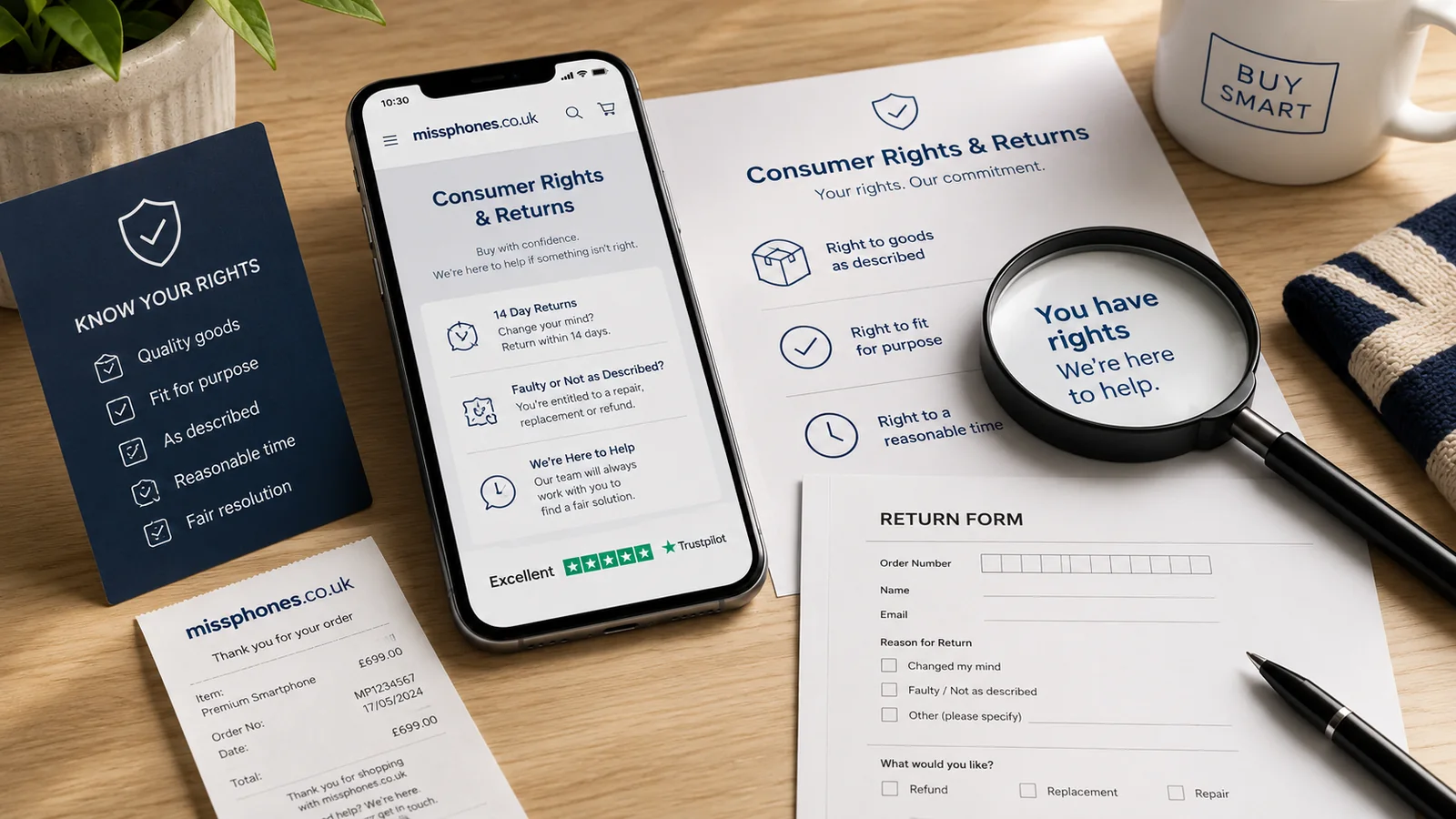
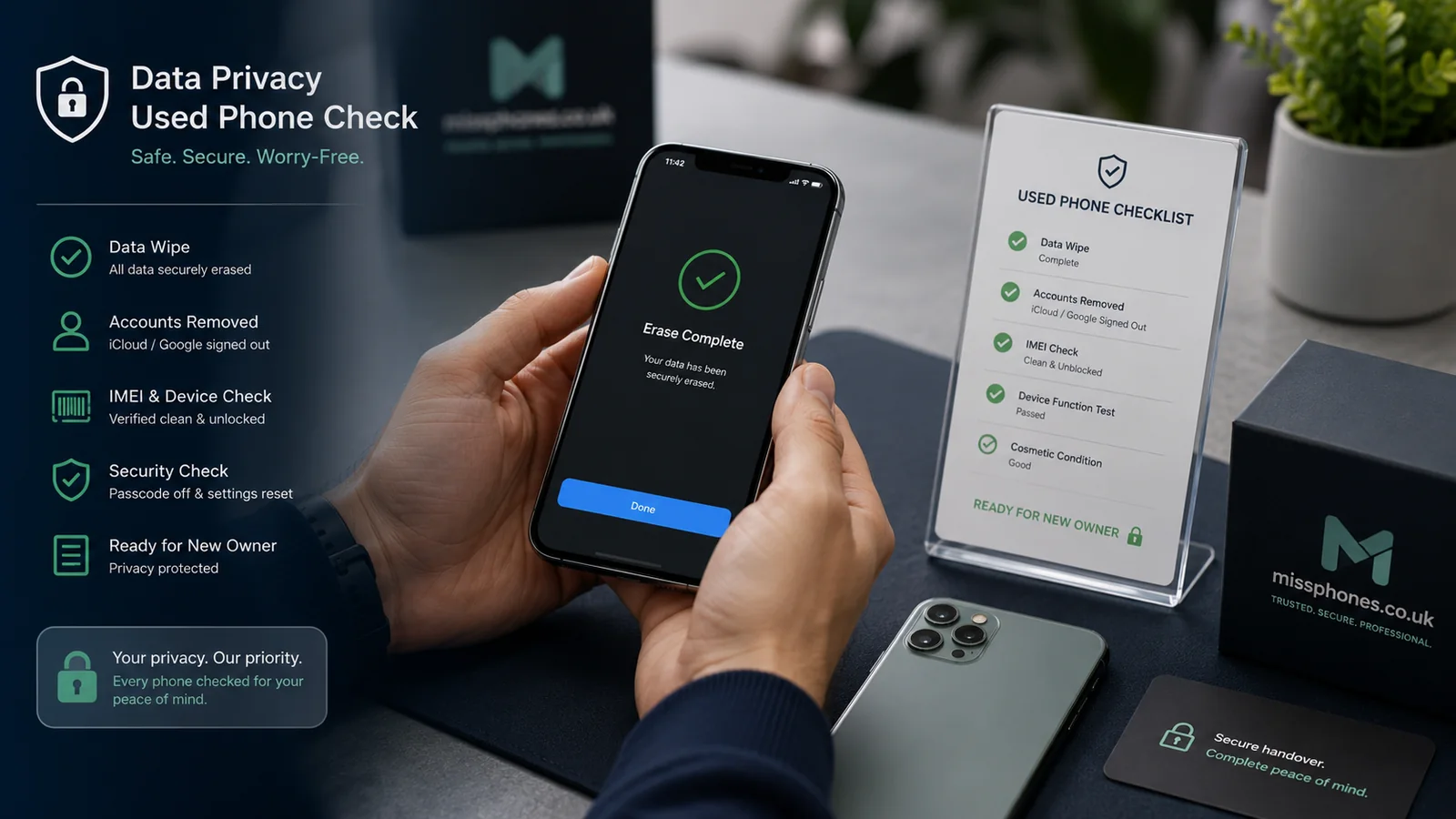
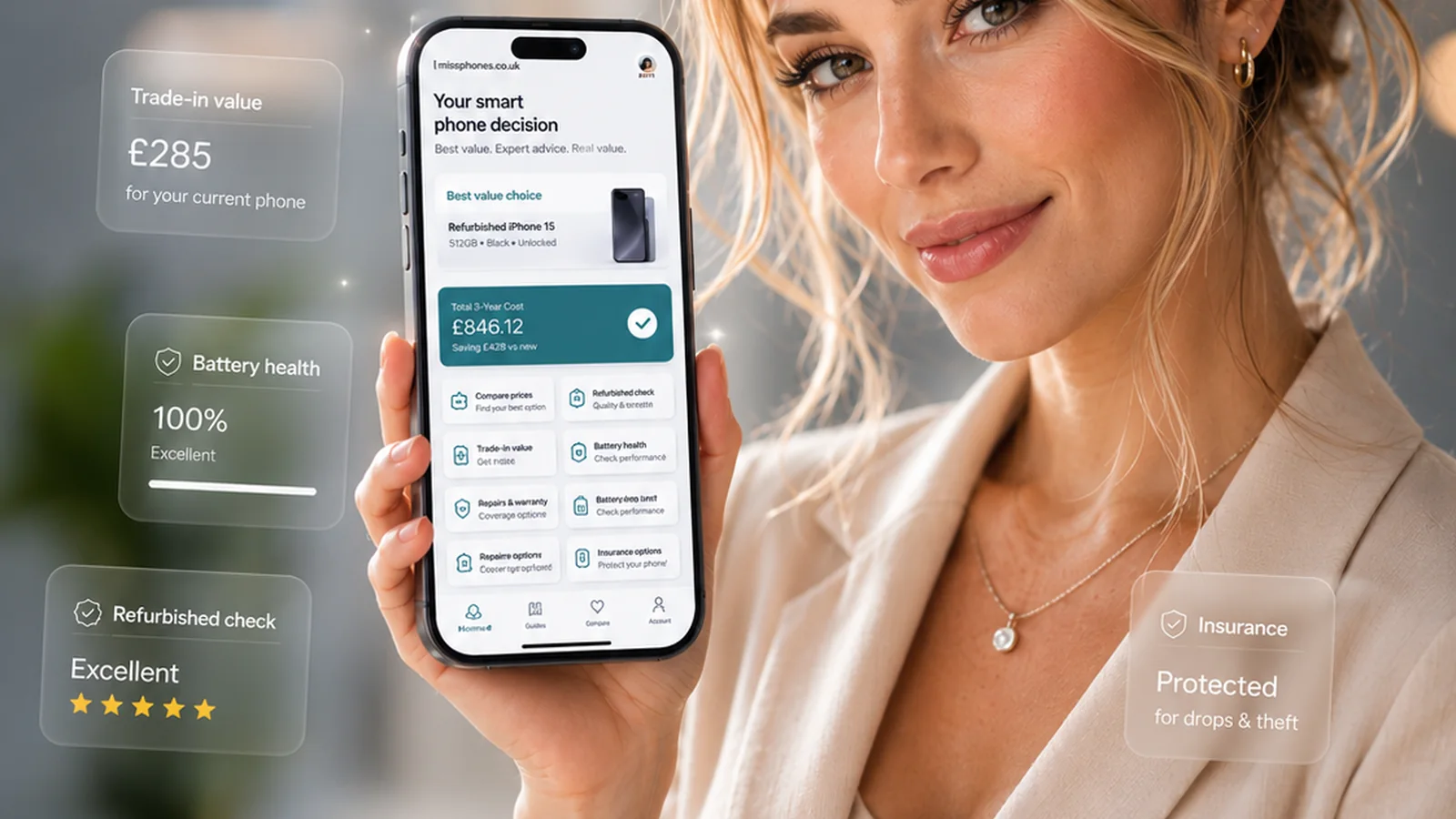
Problems with a phone purchase, contract, theft or damage follow different routes. Start by identifying what went wrong and who is responsible: the seller, mobile provider, finance company, insurer, repairer or police. Sending the same complaint to every organisation usually slows the result.
| Your problem | Start with |
|---|---|
| A phone from a trader is faulty or not as described | UK Consumer Rights for Phone Buyers |
| You bought online and want to cancel or return it | Consumer Rights for Online Phone Purchases |
| The phone was refurbished, used or sold privately | Consumer Rights for Second-Hand Phones |
| The seller, provider or finance company has not resolved a problem | How to Complain About a Phone Purchase |
| You want to reduce theft, account or physical-damage risk | Phone Security and Protection |
| The phone is already lost or stolen | Reporting and Recovery |
Identify the contract before relying on a right
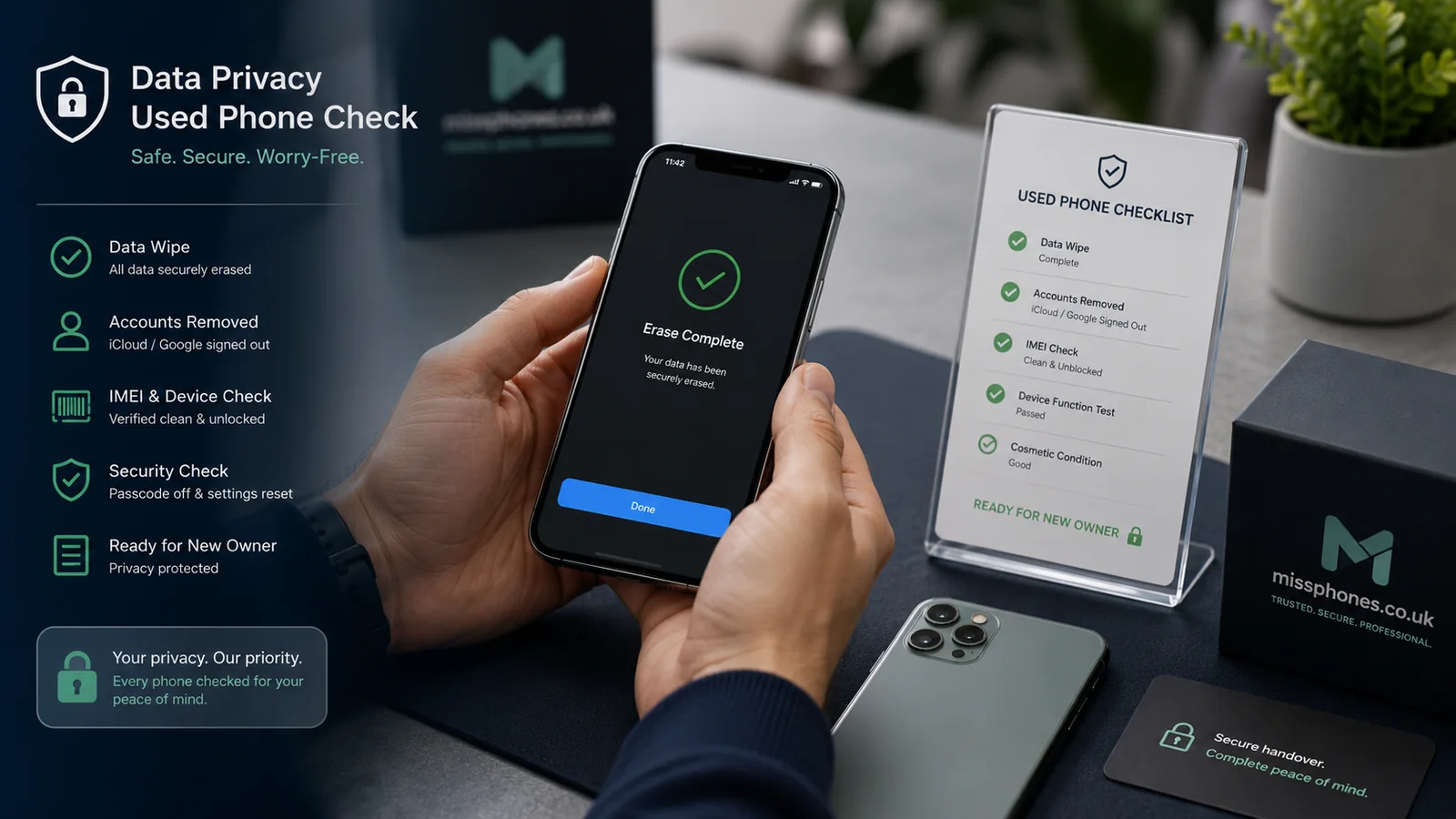
A single checkout can create several relationships: a handset sale, an airtime contract, device finance, insurance and a trade-in. A remedy against the handset seller does not automatically cancel every connected agreement. Keep each document and ask the organisation to state which agreement it is dealing with.
Preserve evidence early
- Save the advert, product page, condition description and promised contents.
- Keep the order confirmation, invoice, payment evidence and delivery record.
- Record the serial number or IMEI privately.
- Photograph visible damage and write down when the fault first appeared.
- Keep complaint reference numbers and copies of every response.
Do not rely on a commercial warranty as the only route. A warranty, statutory consumer rights, insurance and a paid repair are separate mechanisms with different responsibilities and exclusions.
Reference points for current UK rules: Consumer Rights and Protection
- GOV.UK: consumer rights and sources of help
- Consumer Rights Act 2015
- Ofcom: making a complaint and using ADR
Before deciding on Consumer Rights and Protection
- Verify the exact variant:storage, region, condition, warranty and seller status can change the value of two listings that appear to be the same phone.
- Keep an exit route:before committing, understand returns, warranty or consumer-rights route, and what you could do if the phone proves unsuitable or unreliable.
- Start with the job the phone must do:list the non-negotiables before comparing models: budget, storage, support period, network needs, camera or accessibility requirements and how long you plan to keep it.
- Compare total ownership, not the sticker price:include required accessories, service, likely repair or battery work and realistic resale assumptions rather than focusing only on the checkout price.