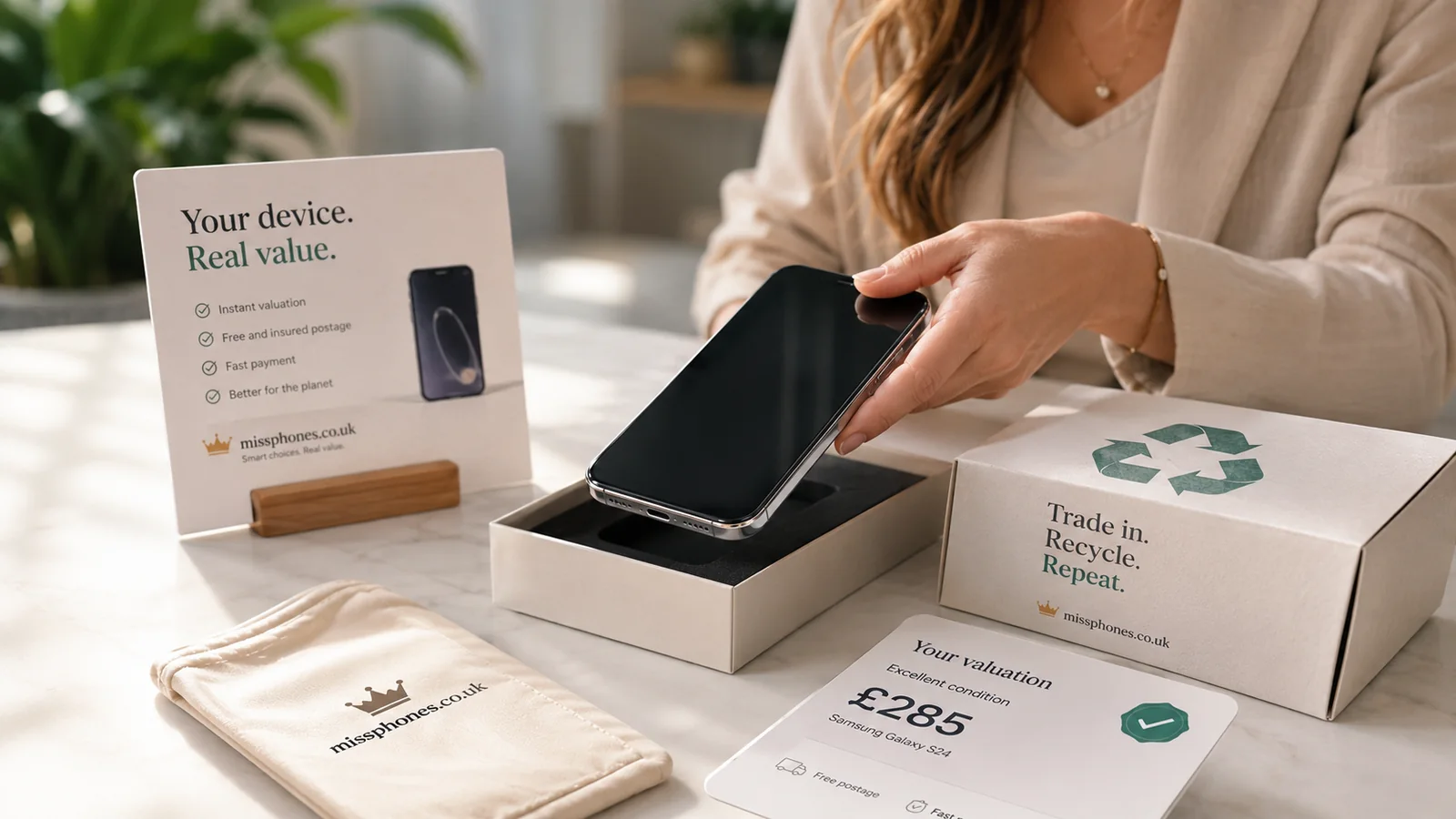
Do not place a phone or its lithium battery in general household waste. Electrical-waste routes are designed to manage batteries and recover materials, while ordinary waste handling can crush or puncture the battery.
1. Decide whether reuse is still safe

A repairable or usable phone may be suitable for sale, trade-in or donation. A swollen battery, severe liquid damage or structurally unsafe handset needs a specialist route rather than reuse.
2. Protect personal information
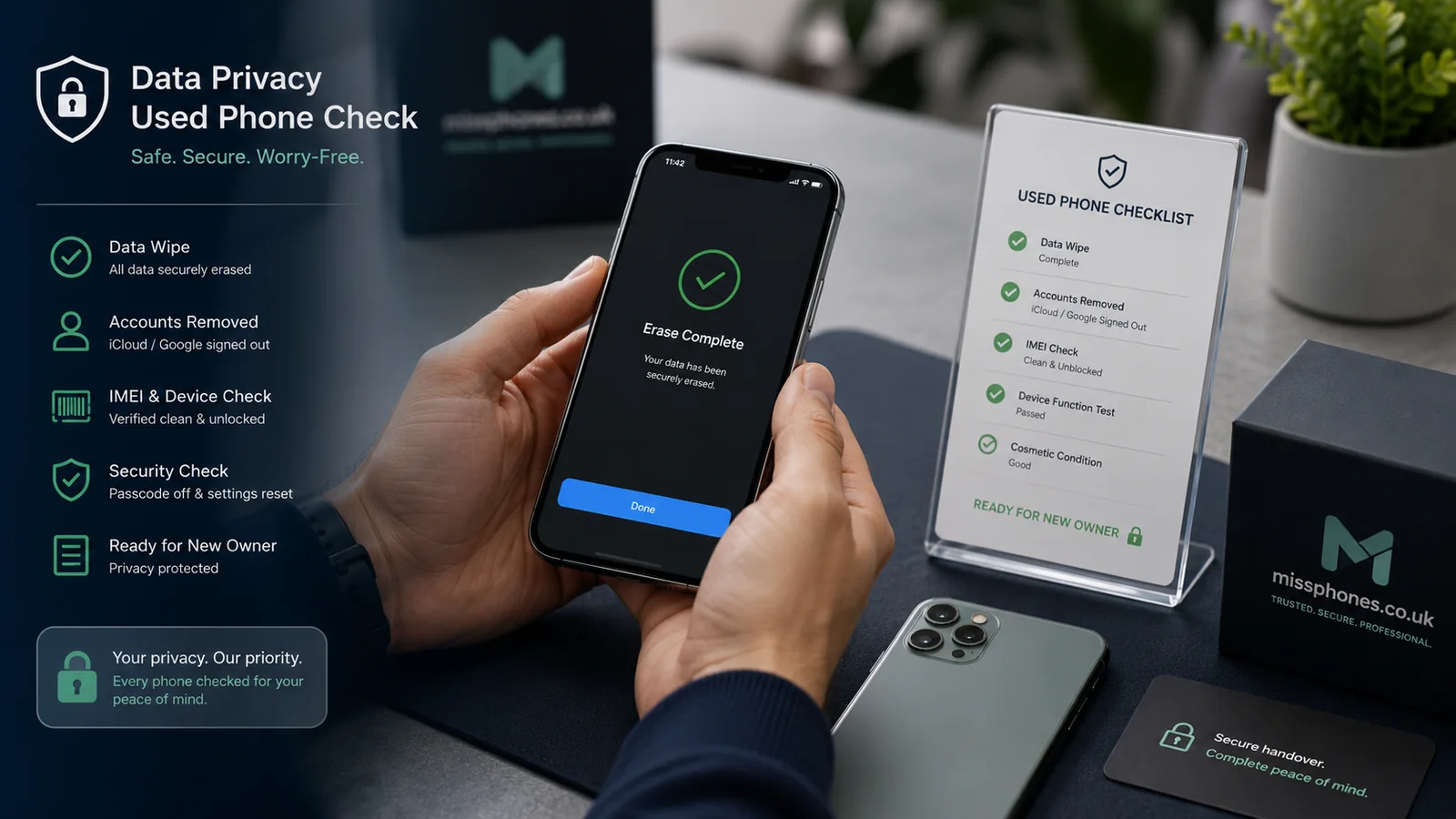
If safe and functional, back up, remove accounts and erase the phone. Remove SIM and memory cards. If it cannot be operated, ask the receiving service how it handles data-bearing devices.
3. Find an accepted route
- Local household waste recycling centre or council electrical collection.
- Retailer take-back when buying an equivalent new item.
- Large-store collection for very small WEEE where the rules apply.
- Manufacturer, network or dedicated recycling programme.
- Specialist hazardous-battery advice for a swollen or damaged battery.
Special case: damaged or swollen battery
A phone with a lifting screen, swollen back, chemical smell, unusual heat or punctured battery should be treated as a safety issue. Stop charging and using it. Keep it away from heat and combustible materials while seeking instructions from the local authority, retailer or specialist recycler. Do not put it into a standard postal recycling envelope unless the operator has confirmed that damaged batteries are accepted by that route.
4. Transport it safely
Switch it off and protect it from crushing and short circuits. Do not remove a glued-in battery unless you are trained and equipped. Tell the receiving site about swelling, heat, puncture or liquid contamination before transport.
5. Keep evidence where needed
For an ordinary personal phone, a collection receipt may be enough. If the device contains especially sensitive data or belongs to an organisation, use its approved asset-disposal and data-destruction process.
After How to Dispose of a Phone Safely, the closest next step is Selling and Recycling, then Selling and Trade-In Guide.
Primary references used for this guide: How to Dispose of a Phone Safely
- GOV.UK: electrical and electronic waste take-back responsibilities
- GOV.UK: in-store take-back for electrical waste
Before deciding on How to Dispose of a Phone Safely
- Account and data separation:back up what you need, remove account locks using the manufacturer’s supported process, and complete the appropriate erase procedure before the phone leaves your control in this specific comparison.
- Payment and delivery fit:use a payment and delivery method that matches the marketplace or buyer-protection rules; do not change the delivery address or payment route simply because a buyer asks in a message for the situation covered on this page.
- Value versus certainty:a higher private-sale price can require more time and carry more dispute risk; a trade-in may pay less but provide a simpler documented process; compare the net amount rather than the headline quote before applying it to this particular case.
- Evidence before handover:keep the advert or quote, photographs of condition, serial/IMEI records kept privately, and the payment or collection record; this keeps the How to Dispose of a Phone Safely transaction documented without publishing device identifiers in the listing.