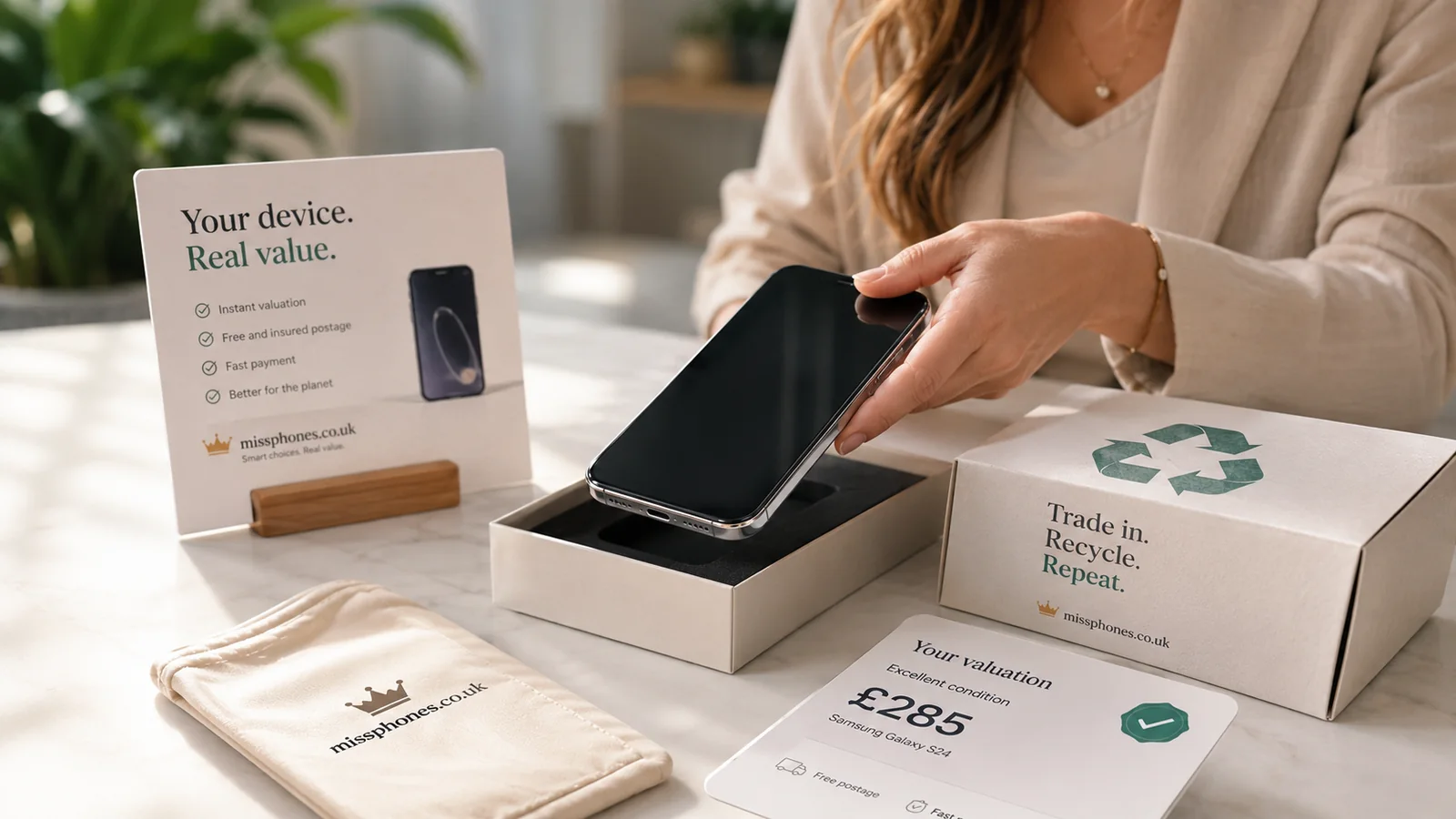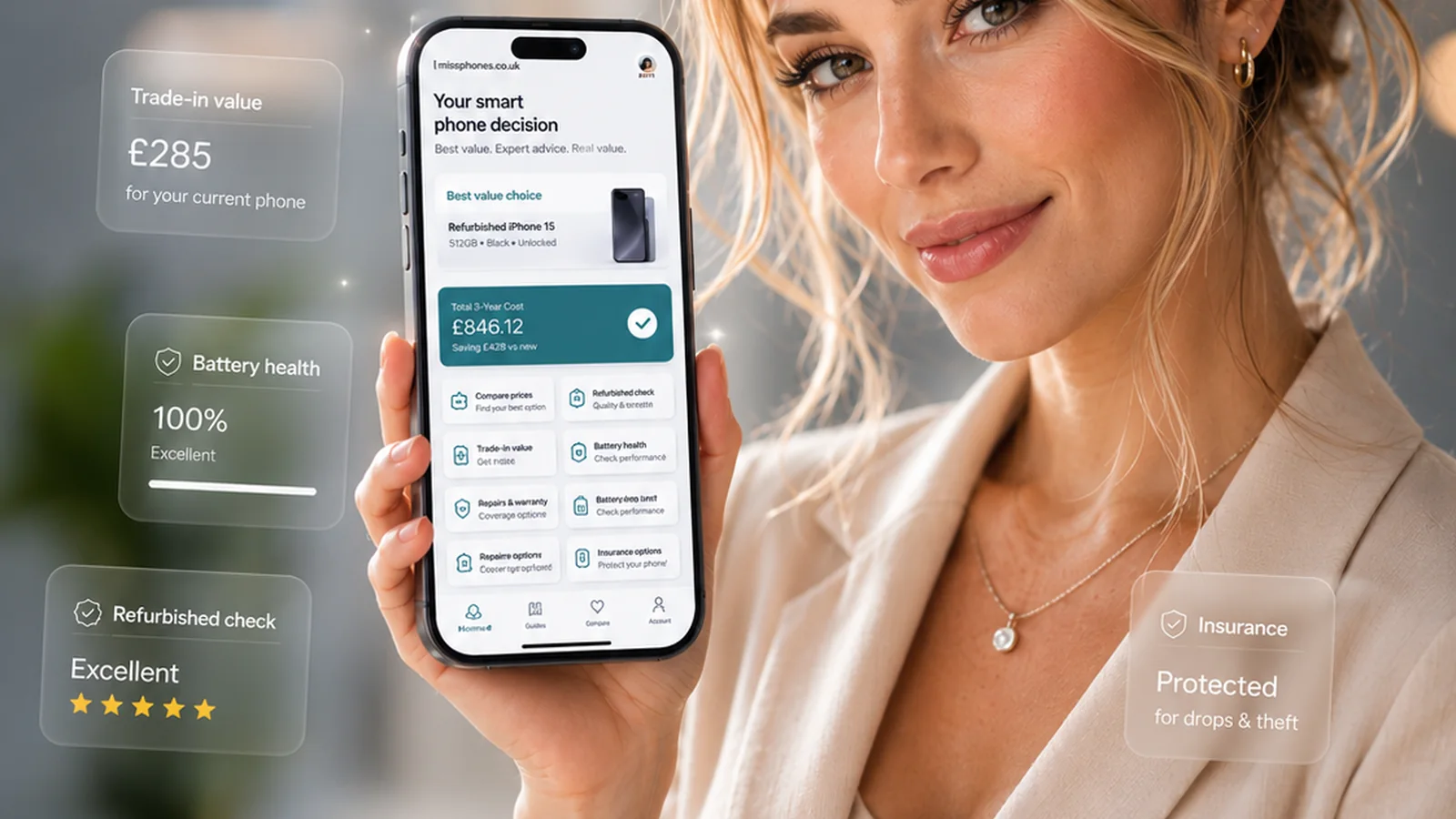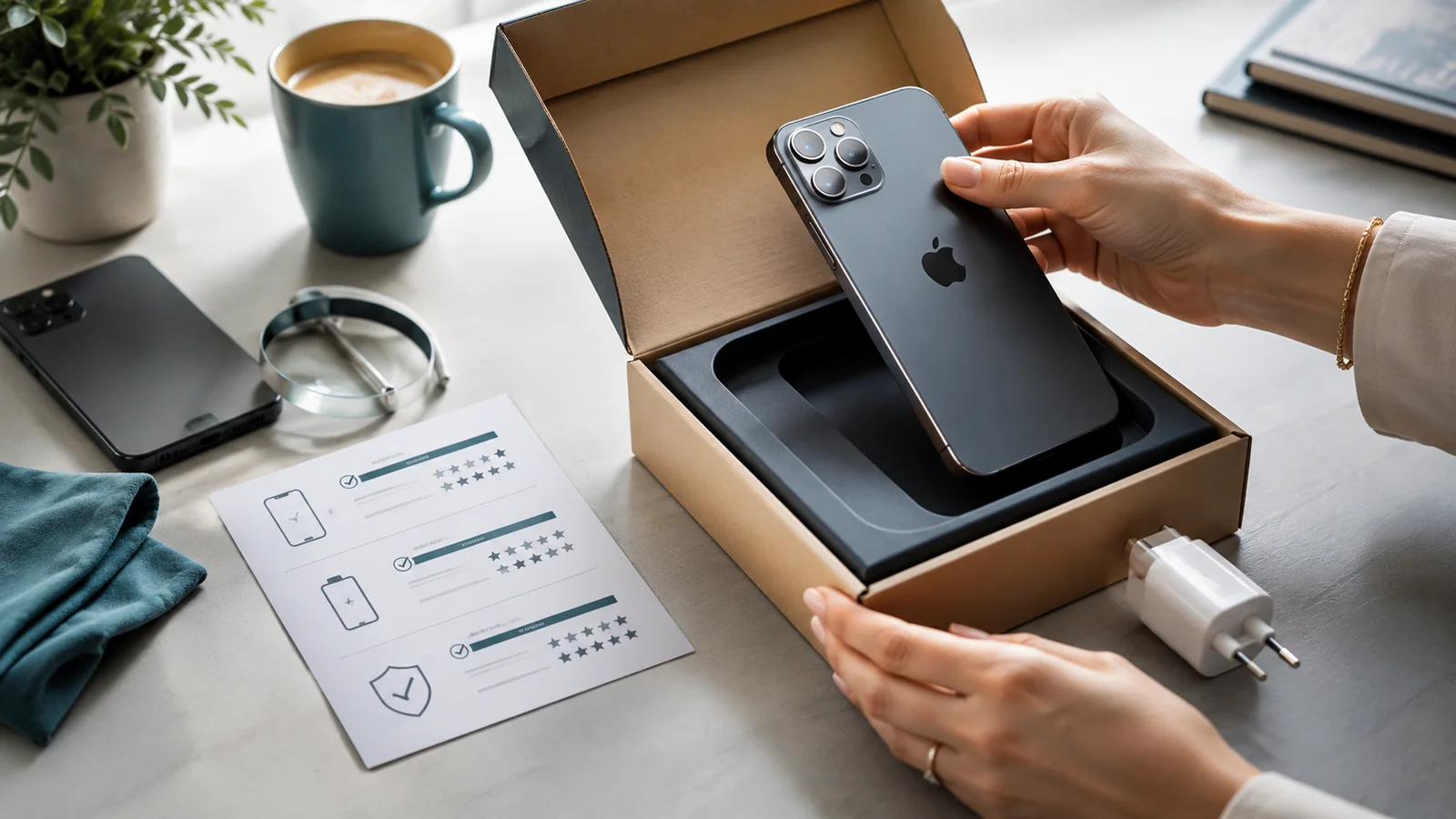
The best way to move on from an old phone is not always the route with the highest headline quote. A sound decision compares cash received, restrictions on that value, preparation work, payment and delivery risk, and what happens if the buyer changes the price or disputes the condition.
Three practical routes

| Route | Main advantage | Main cost or risk |
|---|---|---|
| Trade-in | Simple process and no public listing | Lower or conditional value; inspection may change the quote |
| Private sale | Usually the best chance of a higher cash return | More work, fraud exposure and dispute handling |
| Reuse, donation or recycling | Useful for low-value or non-working devices | Little or no payment |
Step 1: establish what you actually own
Check the device plan, employer ownership, insurance status and account locks. A phone can be physically in your hand while a finance balance or company policy still affects what you may do with it. Selling a phone does not make a remaining device balance disappear.
Step 2: identify the exact handset
Record the model number, storage, colour, IMEI, battery information available on that model, repair history and every functional or cosmetic issue. Do not value an iPhone, Galaxy or Pixel by family name alone: storage, generation, region and condition can materially change the result.
Step 3: compare net outcomes
Obtain at least two current trade-in quotes and examine completed or genuinely sold private listings for the same variant. Then deduct likely platform fees, insured postage, packaging and the value of your time.
Illustrative example: a £260 private-sale price may become £231 after £16 fees, £9 postage and £4 packaging. A £220 trade-in paid without fees may therefore be only £11 behind, not £40. These figures are illustrative, not current market data.
Step 4: prepare the phone before promising a handover date
- Complete and verify a backup.
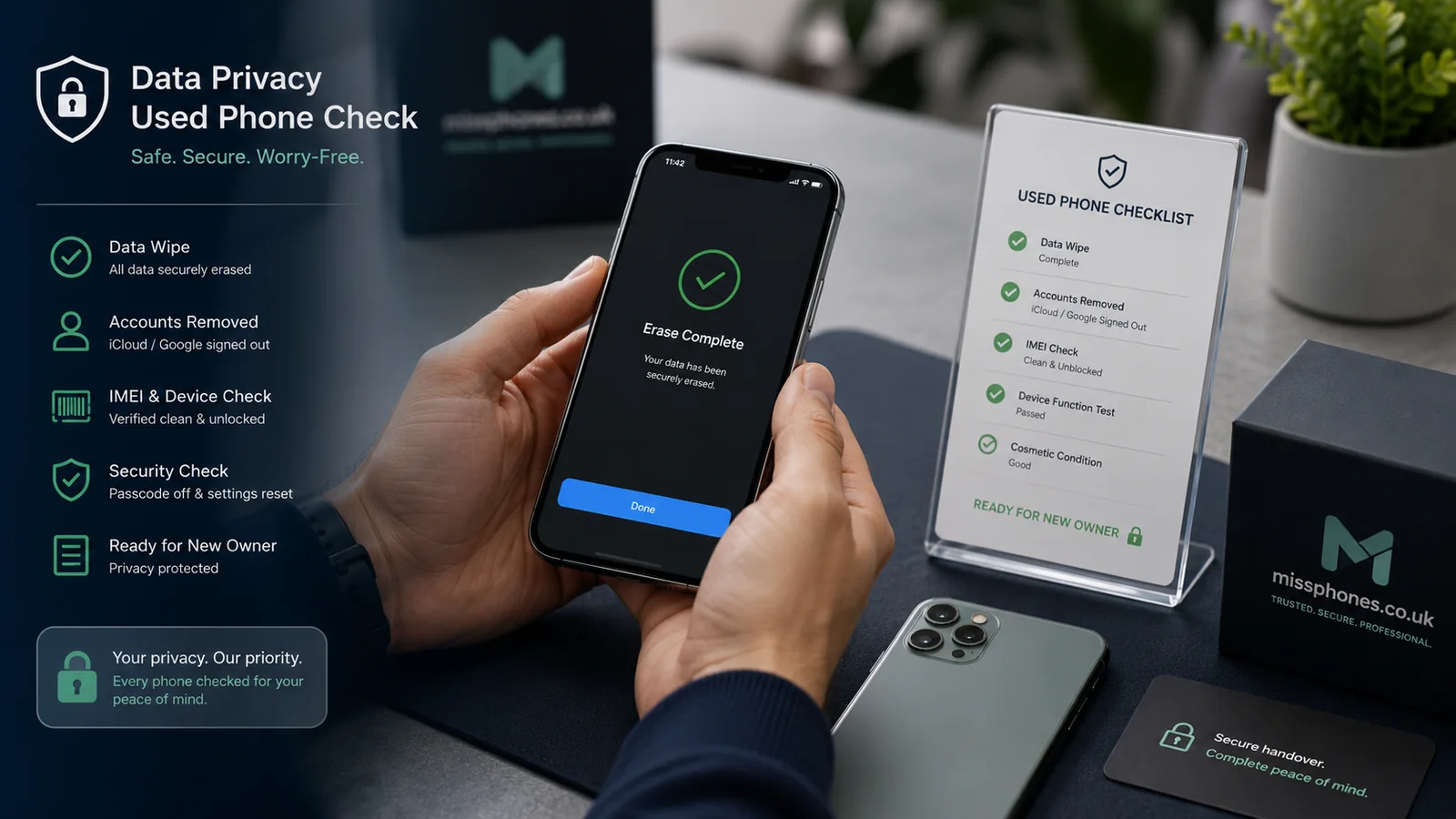
- Remove Apple, Google, Samsung or other manufacturer accounts using the supported process.
- Disable activation locks and remove the device from trusted-device lists where appropriate.
- Remove the SIM and removable memory card.
- Erase the device and stop at the initial setup screen.
- Record the condition and identifiers before packing or meeting the buyer.
Step 5: control payment and delivery
For a private sale, use the marketplace's official flow where applicable. Never release the phone because of a screenshot, email or message saying that money has been sent. For postage, verify the carrier's current lithium-battery rules, compensation exclusions and packaging requirements before buying the label.
Step 6: retain evidence
Keep the listing, messages, condition photos, IMEI record, payment record, postage receipt and delivery confirmation. Evidence does not guarantee that a platform will decide in your favour, but it gives a genuine dispute something objective to work with.
Make the decision
| Choose trade-in when… | Choose private sale when… |
|---|---|
| The convenience gap is worth more to you than the price gap | The net price gap remains meaningful after costs |
| A verified promotion improves the whole purchase, not just the quote | You can meet safely or use a well-understood protected platform |
| You want a standard inspection and clear return process | You can document the phone and answer buyer questions accurately |
Next steps for Selling and Trade-In Guide
- Trade-In vs Private Sale
- How to Check a Trade-In Quote
- How to Sell an Old Phone Safely
- Recycling and Disposal
If a trade-in quote changes
A provisional quote can be reduced after inspection. Before sending the phone, save the condition rules and check how long you have to accept a revised offer, whether rejection is free and how the phone will be returned. When it comes back, record the opening of the parcel and compare the IMEI, accessories and condition with your dispatch evidence.
If a private sale goes wrong
Do not assume every complaint is dishonest. Ask the buyer for a precise description, photographs or video, the IMEI and the steps already tried. Compare the claim with your listing and pre-dispatch record. Keep discussion and any return inside the marketplace process where one exists, and do not agree to a partial refund merely because the buyer creates urgency.
| Problem | First response |
|---|---|
| Trade-in value reduced | Request the inspection reason and compare it with the saved condition standard. |
| Buyer reports a fault | Obtain evidence and check whether the listing accurately described the phone. |
| Returned device differs | Compare IMEI, condition and parcel-opening evidence before resolving the dispute. |
| Payment appears pending | Keep the phone until the money is visible through the independently opened account. |
When reuse or recycling is the better route
A phone with little resale value may still be useful to a family member or charity if it is supported, safe and properly erased. A device with a swollen battery, severe liquid damage or uncertain data security needs an appropriate professional or WEEE route rather than an ordinary postal sale. The best outcome is the safest realistic route, not the largest theoretical quote.