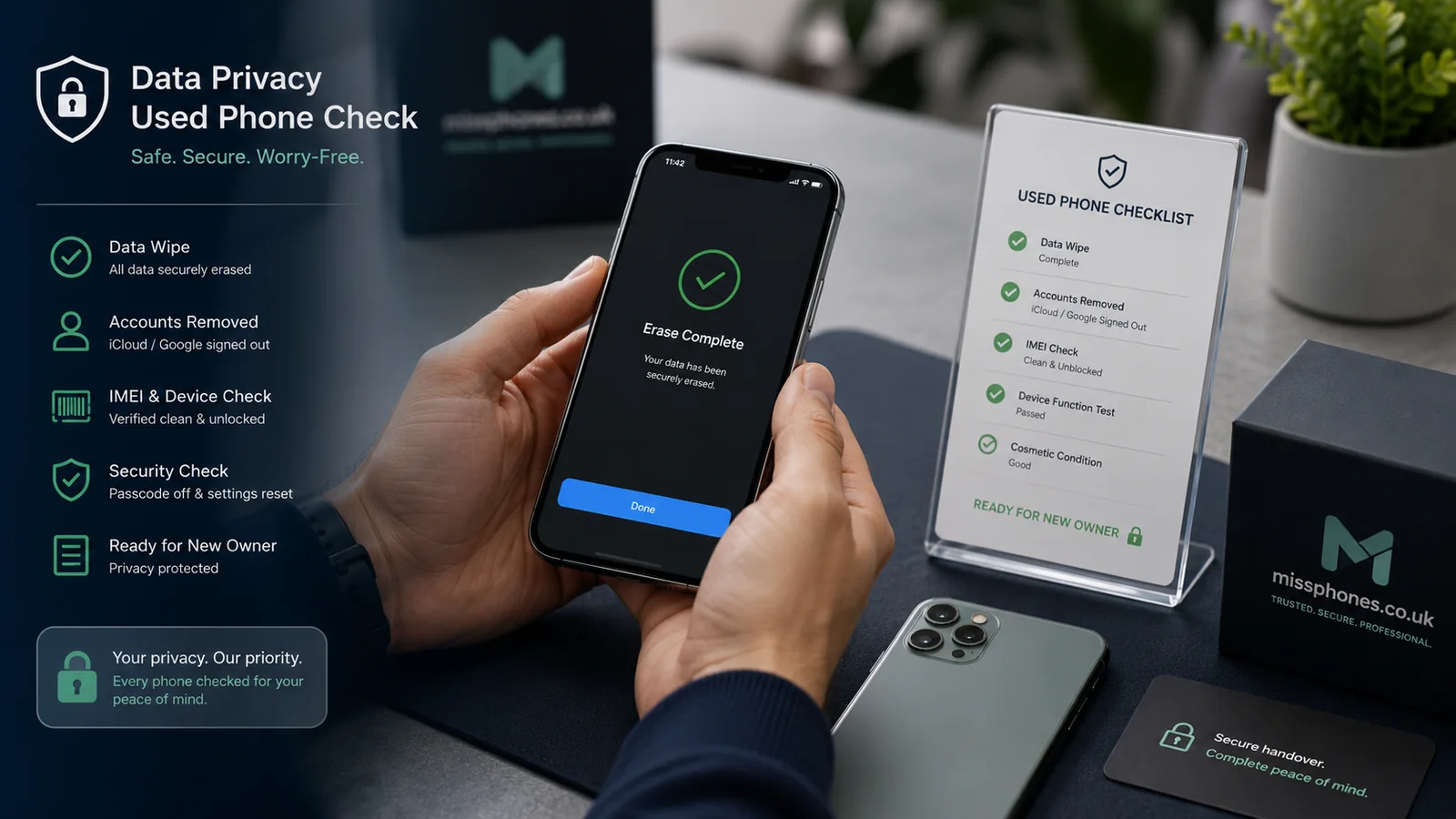
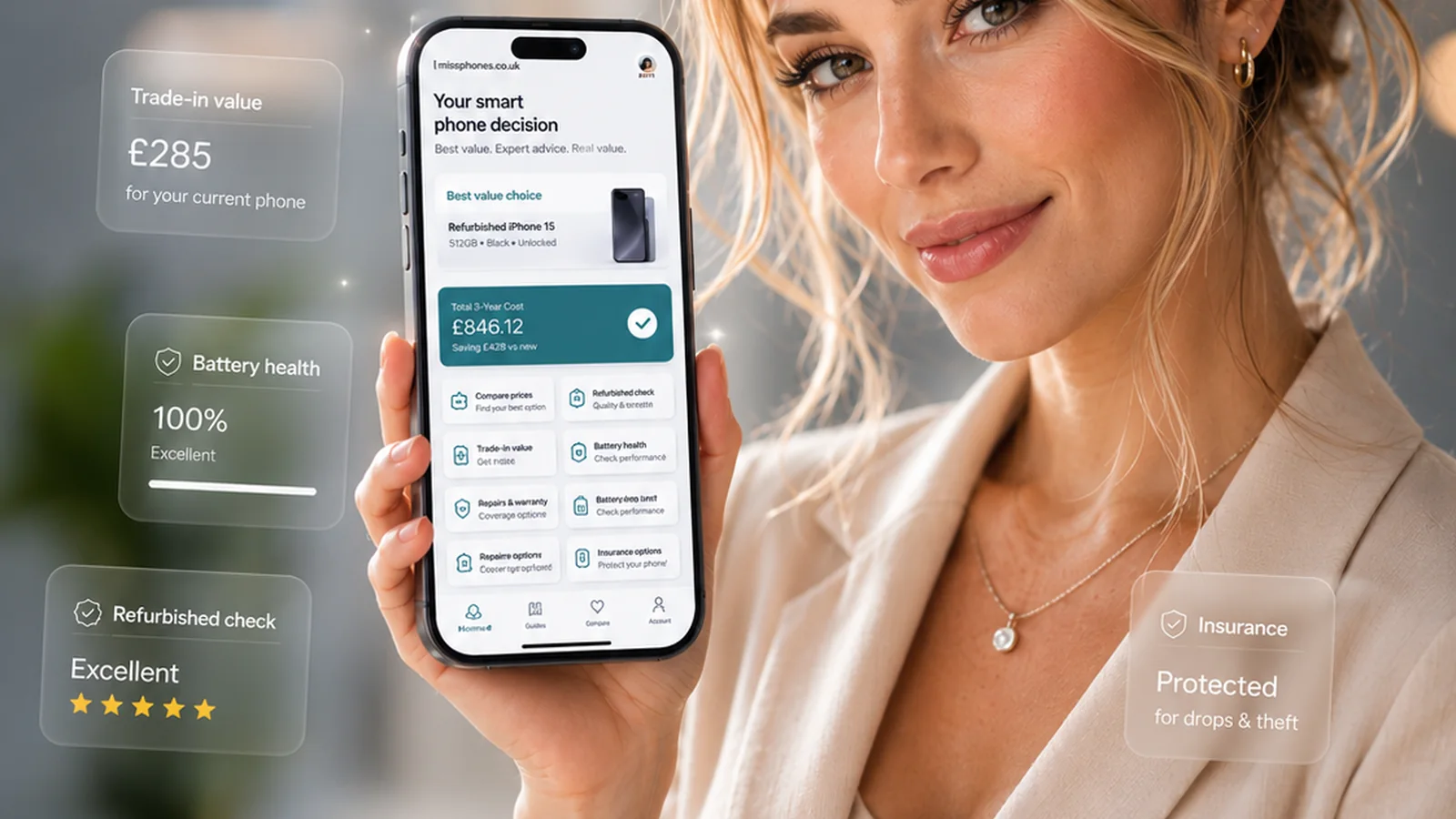
Most poor refurbished-phone purchases do not begin with an obscure technical fault. They begin with an assumption: that the grade includes the battery, that a warranty covers everything, that a marketplace logo identifies the seller or that a clean-looking phone must have been repaired well.
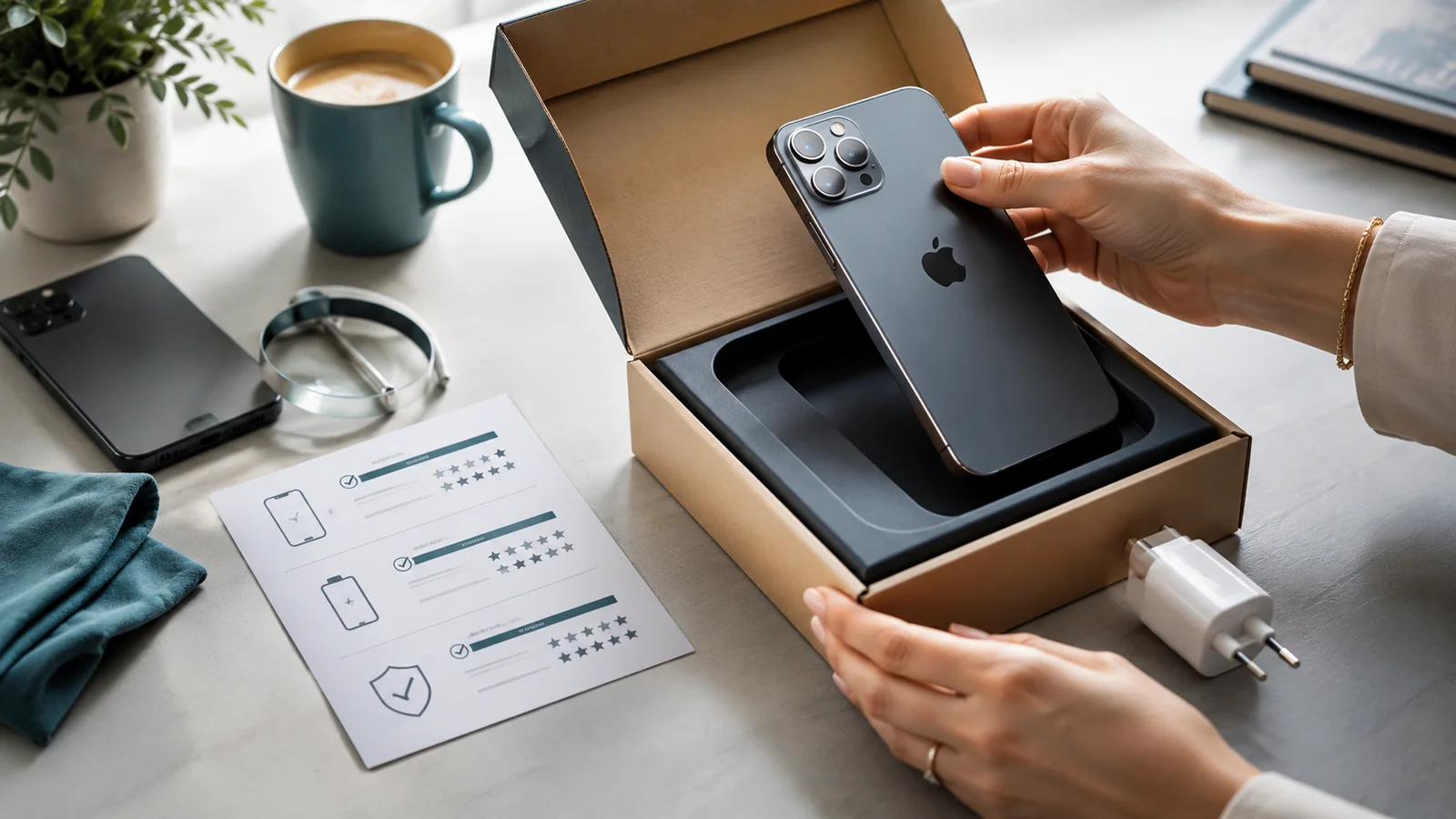
Start here: replace assumptions with written evidence before payment and a structured inspection after delivery.
The most common decision mistakes
| Mistake | Better approach |
|---|---|
| Comparing grade names across sellers | Compare the written definitions and photographs |
| Ignoring battery policy | Ask for a measurable threshold or model-specific diagnostic standard |
| Buying the oldest flagship the budget allows | Check support life, storage and repair cost first |
| Reading warranty before returns | Understand cancellation, fault and warranty routes separately |
| Trusting an average review score | Look for recent patterns involving grade, locks, refunds and repeat repairs |
| Testing after trading in the old phone | Keep an overlap period and test promptly |
Use the detailed guides
- Common Refurbished-Phone Buying Mistakes explains the routine errors that turn a reasonable deal into poor value.
- Refurbished Phone Scams to Watch For covers deliberate deception, cloned shops and unsafe payment pressure.
- How to Check a Refurbished Phone Seller provides a pre-payment checklist.
- What to Do When a Refurbished Phone Arrives provides the post-delivery test sequence.
Do not buy a discount instead of a phone
A claimed saving is meaningless without a credible comparison. Compare the exact model, storage, condition, battery, warranty and included accessories. A large percentage reduction against an old recommended retail price can still leave a phone more expensive than equivalent current listings.
Do not treat one check as proof
No single signal proves that a phone is safe to buy:
- a clean IMEI result does not prove ownership or guarantee that the device cannot be blocked later;
- a high battery percentage does not prove the rest of the phone is sound;
- a warranty badge does not prove an easy claims process;
- a company registration does not prove quality;
- a sealed-looking box does not prove the phone is new;
- a marketplace payment does not give identical protection in every transaction.
A practical stop rule
Walk away when the seller cannot explain a material inconsistency before payment. Examples include a different model number, hidden return address, account lock, unexplained payment recipient, missing battery standard after a specific claim, or pressure to move the transaction outside the platform.