Do not decide immediately that the buyer is dishonest or that you must refund them. Establish what was sold, what was represented, what the buyer says happened and which platform or legal framework applies.
1. Keep communication in writing

Ask for the exact symptom, when it began, what has been tried, photographs or video, and whether the phone has been dropped, opened, reset or updated. Do not ask for passwords or unnecessary personal data.
2. Compare the claim with the listing
Check the original description, messages, condition record, IMEI and test video. A genuine private seller generally does not provide the same quality remedies as a trader, but the item must match its description and the seller must have the right to sell it. A seller acting as a business cannot avoid trader obligations merely by calling the sale private.
3. Use the platform process
If the sale took place through a marketplace with a dispute or return system, follow it. Do not agree to a partial refund by bank transfer while a separate platform claim remains open. Do not accept a return to a different address or outside the tracked process.
4. If a return is agreed
- Require tracked delivery and preserve the package opening record.
- Check the IMEI and serial against the sold phone before discussing the fault.
- Check for new physical damage, account locks, missing accessories or unauthorised repair.
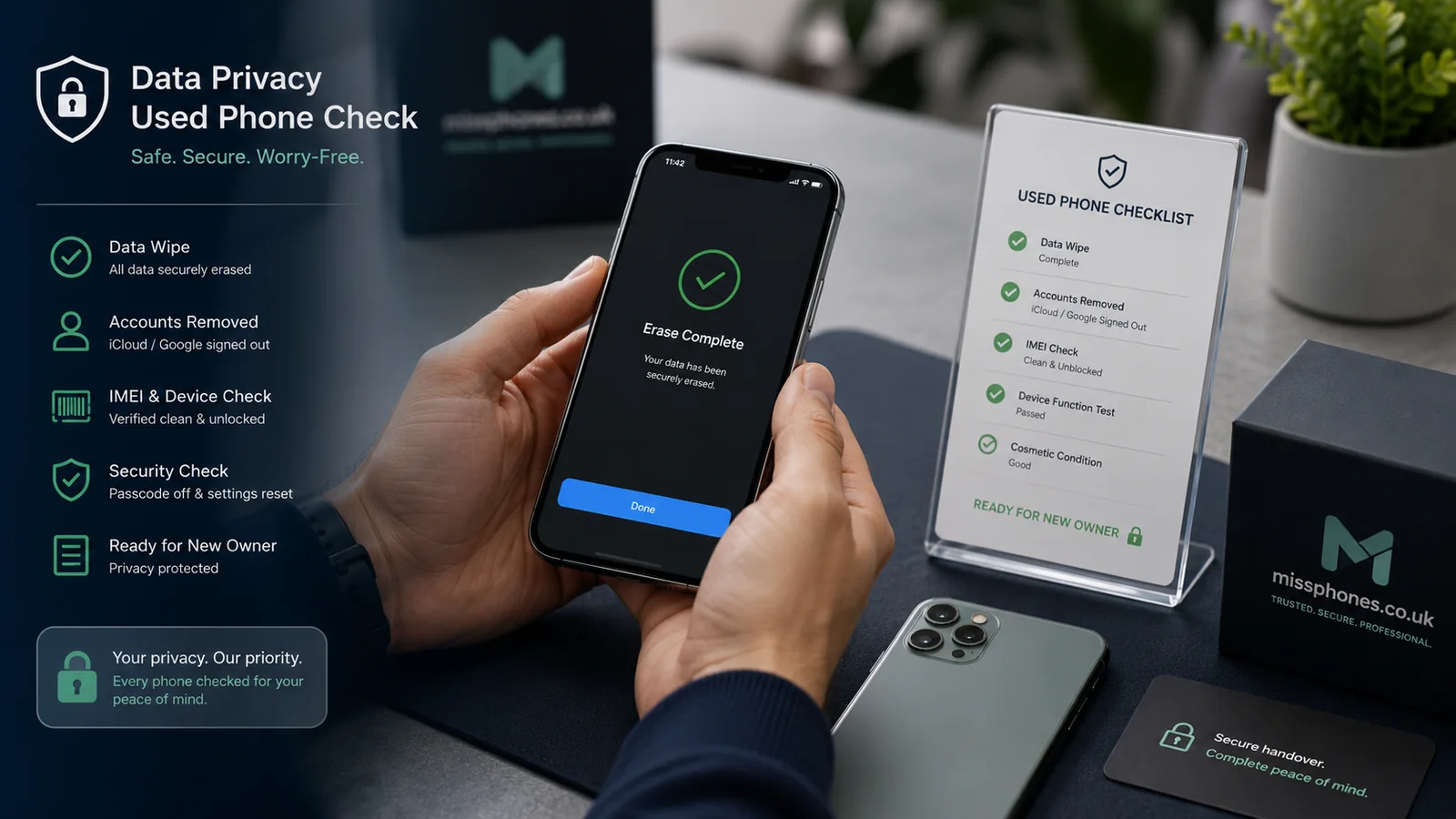
- Do not access buyer data; ask the buyer to remove accounts and erase the phone appropriately.
5. Choose a proportionate resolution
Depending on the facts, the fair response may be technical guidance, return and refund, a partial contribution, rejection of the claim or escalation through the platform. Do not describe this article as legal advice; significant disputes may require Citizens Advice or independent legal advice.
When fraud is suspected
Preserve evidence and report through the platform, bank and relevant police-fraud route. A disagreement about condition is not automatically fraud.
For the wider What to Do If a Buyer Claims the Phone Is Faulty decision, continue with Selling and Recycling, then Selling and Trade-In Guide.
Official sources to verify current terms: What to Do If a Buyer Claims the Phone Is Faulty
Before deciding on What to Do If a Buyer Claims the Phone Is Faulty
- Account and data separation:back up what you need, remove account locks using the manufacturer’s supported process, and complete the appropriate erase procedure before the phone leaves your control; apply this point to the do if buyer claims is question.
- Payment and delivery fit:use a payment and delivery method that matches the marketplace or buyer-protection rules; do not change the delivery address or payment route simply because a buyer asks in a message for the decision described here.
- Value versus certainty:a higher private-sale price can require more time and carry more dispute risk; a trade-in may pay less but provide a simpler documented process; compare the net amount rather than the headline quote; apply this point to the do if buyer claims is question.
- Evidence before handover:keep the advert or quote, photographs of condition, serial/IMEI records kept privately, and the payment or collection record; this keeps the What to Do If a Buyer Claims the Phone Is Faulty transaction documented without publishing device identifiers in the listing.