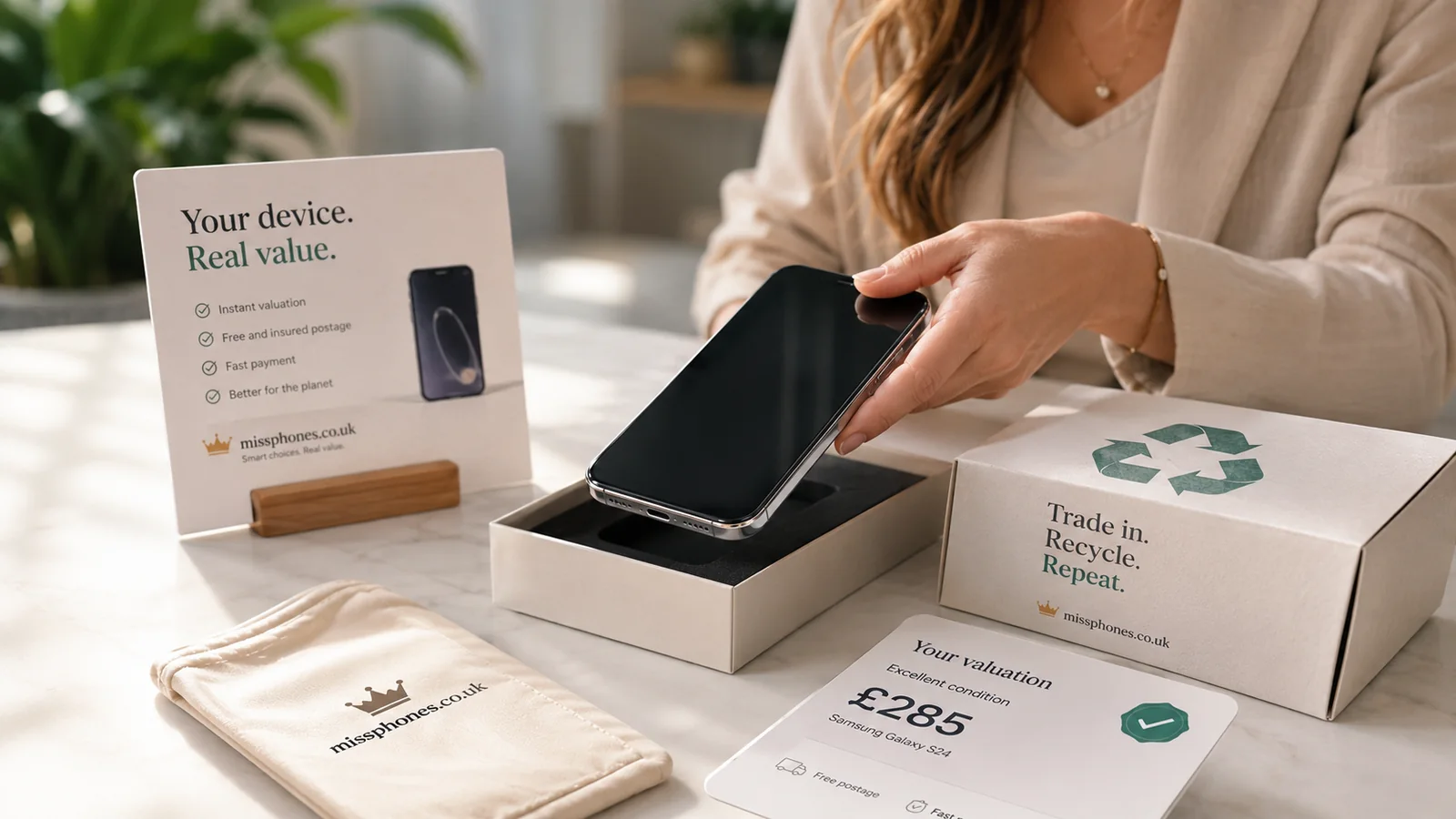
Marketplace scams succeed by moving the seller away from the process they understand. The buyer changes the conversation, payment, courier or address, then creates urgency so the seller acts before checking.
Keep control of communication
Use the marketplace’s message system. Treat unexpected email, text or messaging-app contact as unverified. A convincing logo or familiar sender name does not prove that the message came from the platform.
Recognise the common changes
- The buyer asks for your email to “complete payment”.
- A message says funds are held until you buy a gift card, pay insurance or provide tracking.
- The buyer sends more than agreed and asks for a refund of the difference.
- A courier or relative will collect, but the payer’s name and story do not match.
- The buyer changes the delivery address after payment.
- The buyer asks for a one-time code, account login or remote access.
Verify through a separate route
Open the platform or bank directly, not through the buyer’s link. Check the order, amount, address and payment status. Contact official support using the website or app you opened yourself.
How a genuine buyer usually behaves
Genuine buyers can ask detailed questions, negotiate and request a reasonable test. The warning sign is not one unusual question but an attempt to bypass verification: refusing the official payment flow, changing identities, demanding secrecy or preventing you from checking the order. Use the same rules for a polite buyer as for an aggressive one.
Control collection
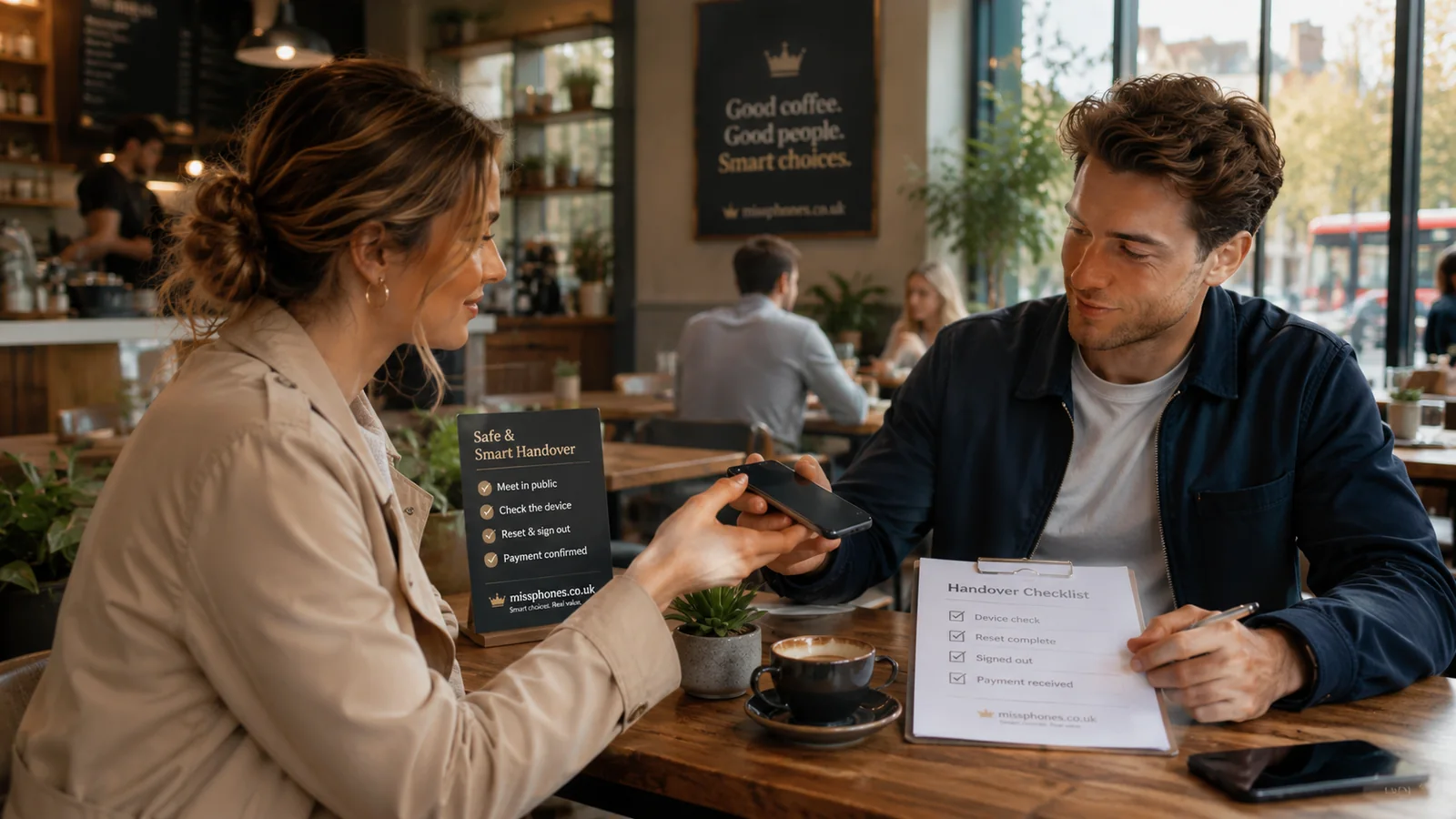
Meet in a public place, keep the phone in sight and confirm cleared payment. Do not allow an unknown buyer to insert their account and leave before payment; a failed sale can then leave the phone linked to them.
Control postage
Use the address and label required by the protected order. Record the device and packing. Upload tracking through the official order. A buyer’s promise to accept a different courier does not override platform terms.
Report suspected fraud
Tell the platform and your bank promptly. Report Fraud handles fraud reports for England, Wales and Northern Ireland; contact Police Scotland in Scotland. Report suspicious adverts or accounts to the platform as well.
After How to Avoid Marketplace Scams When Selling, the closest next step is Selling and Recycling, then Selling and Trade-In Guide.
Primary references used for this guide: How to Avoid Marketplace Scams When Selling
Practical checks for How to Avoid Marketplace Scams When Selling
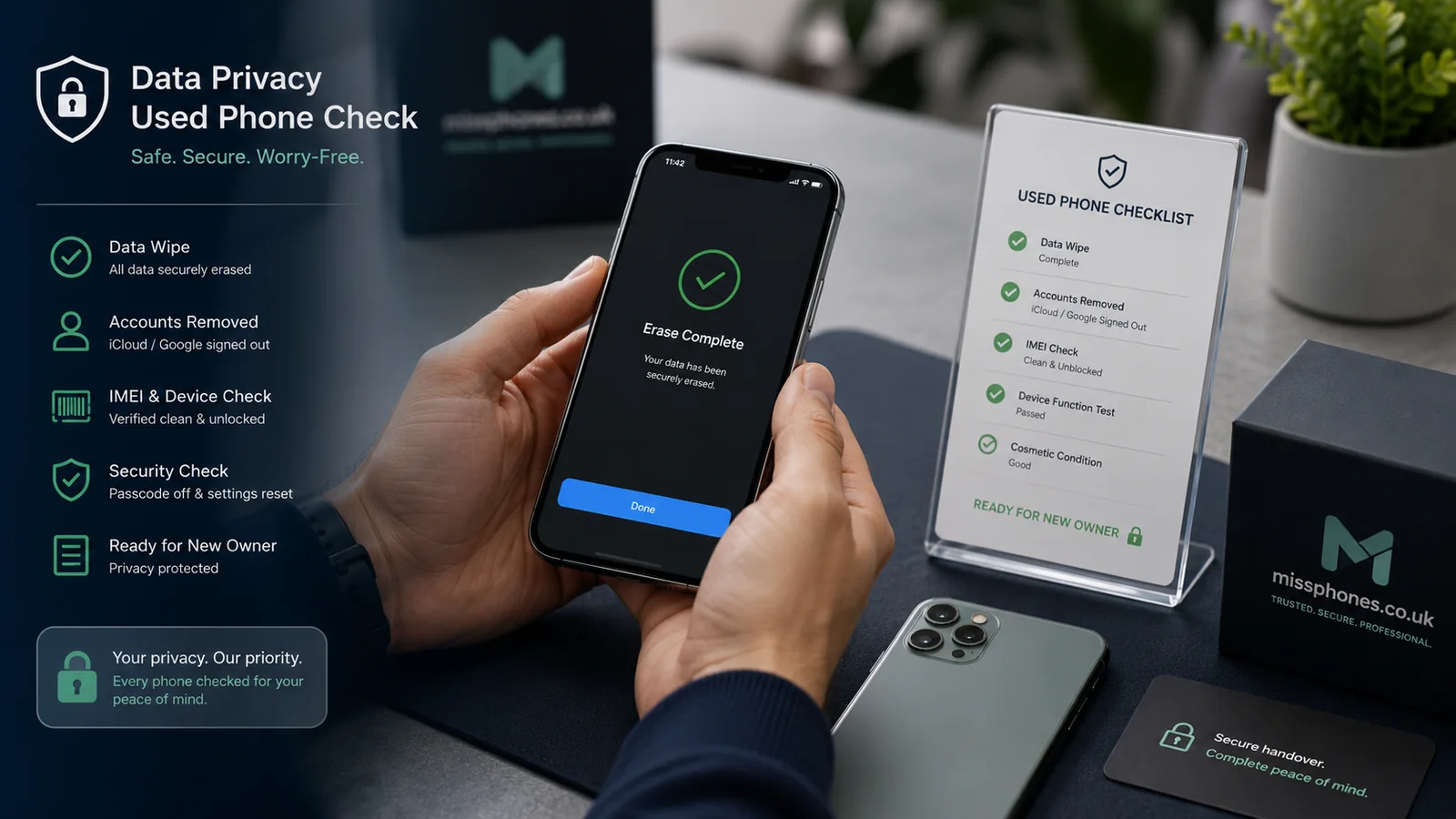
- Evidence before handover:keep the advert or quote, photographs of condition, serial/IMEI records kept privately, and the payment or collection record; this keeps the How to Avoid Marketplace Scams When Selling transaction documented without publishing device identifiers in the listing.
- Account and data separation:back up what you need, remove account locks using the manufacturer’s supported process, and complete the appropriate erase procedure before the phone leaves your control; apply this point to the avoid marketplace scams selling question.
- Payment and delivery fit:use a payment and delivery method that matches the marketplace or buyer-protection rules; do not change the delivery address or payment route simply because a buyer asks in a message in the context of this page.
- Value versus certainty:a higher private-sale price can require more time and carry more dispute risk; a trade-in may pay less but provide a simpler documented process; compare the net amount rather than the headline quote; apply this point to the avoid marketplace scams selling question.