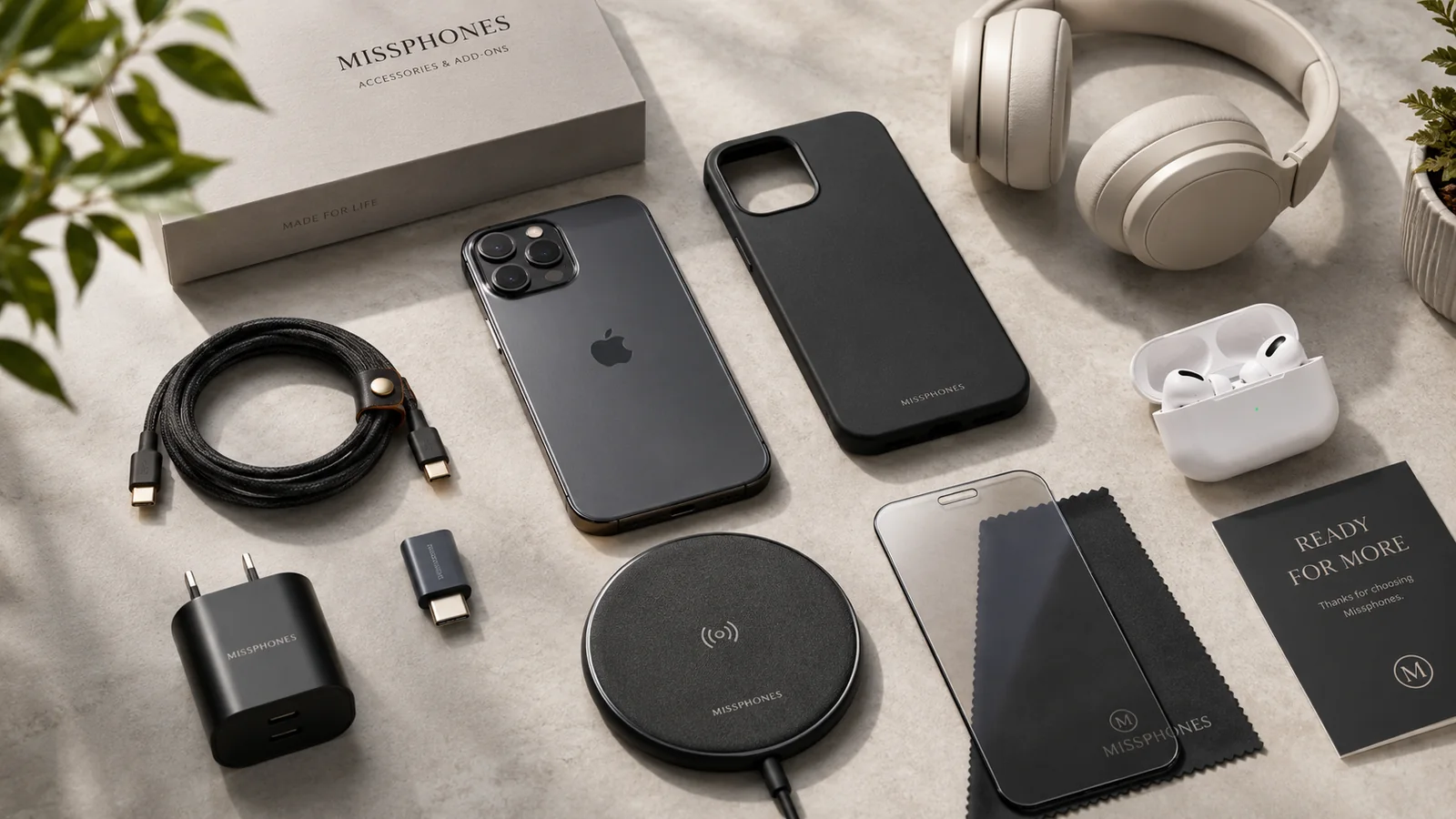
An accessory warranty is an extra promise under its terms; it does not replace consumer rights against the trader that sold a faulty or misdescribed product.
Identify the problem first
| Situation | Route to check |
|---|---|
| Changed your mind after an online purchase | Distance-cancellation rules and seller instructions |
| Accessory is faulty or misdescribed | Consumer Rights Act remedies against the trader |
| Accessory damaged the phone | Evidence, causation and the trader/manufacturer complaint route |
| Normal wear or accidental damage | Warranty exclusions and any separate cover |
| Compatibility was stated incorrectly | Description, order record and exact phone model |
Test within the return window
Do not leave an adaptor, case or protector unopened until the cancellation period has passed if compatibility must be checked. Handle it only as much as necessary to establish its nature, characteristics and function.
Keep the evidence
Save the listing, specifications, order, packaging identifiers and photographs of any fault. For an electrical problem, stop using the product while the issue is assessed.
Do not accept “manufacturer only” without checking
A commercial warranty may offer a convenient route, but the retailer’s statutory obligations are separate. The correct remedy depends on the facts and timing.
Damage-to-device disputes need evidence
If an accessory appears to damage the phone, stop using both products, photograph the connection and retain the accessory. Obtain a written diagnosis where proportionate. A timing coincidence alone may not establish that the accessory caused the fault.
Marketplace identity matters
Record whether the legal seller is the marketplace, a business using it or a private seller. The page hosting the listing is not always the trader responsible for the goods.
Related guides
Sources and date checked
Official information checked 26 July 2026. Product prices, contract terms and retailer policies can change, so verify the current document before acting.