A budget phone is good value when it performs the tasks you need, remains secure for the planned ownership period and does not create an early battery, storage or repair bill. The cheapest handset today is not automatically the lowest-cost phone per year.
Choose your budget route

| Route | Best starting guide | Main risk |
|---|---|---|
| Lower-cost new phone | How to Buy a Good Phone on a Tight Budget | Short support, limited storage or weak everyday performance |
| Older flagship or refurbished phone | Best Budget Phone Strategies | Battery, condition and reduced remaining support |
| Keep the current phone | How Long Should a Smartphone Last? | Paying for repair after support or reliability has ended |
| Buy with finance | Phone Finance: Can You Afford It? | Turning a limited purchase budget into a long commitment |
Set minimum requirements before shopping
- published security-support period that covers your intended use;
- enough storage for apps, photos and offline files;
- battery condition or replacement policy you can verify;
- screen, camera and accessibility features you actually use;
- repair options and warranty appropriate to the price;
- a seller and return route you can identify.
A large camera count, “5G” label or temporary bundle should not override these basics.
Compare cost per supported year
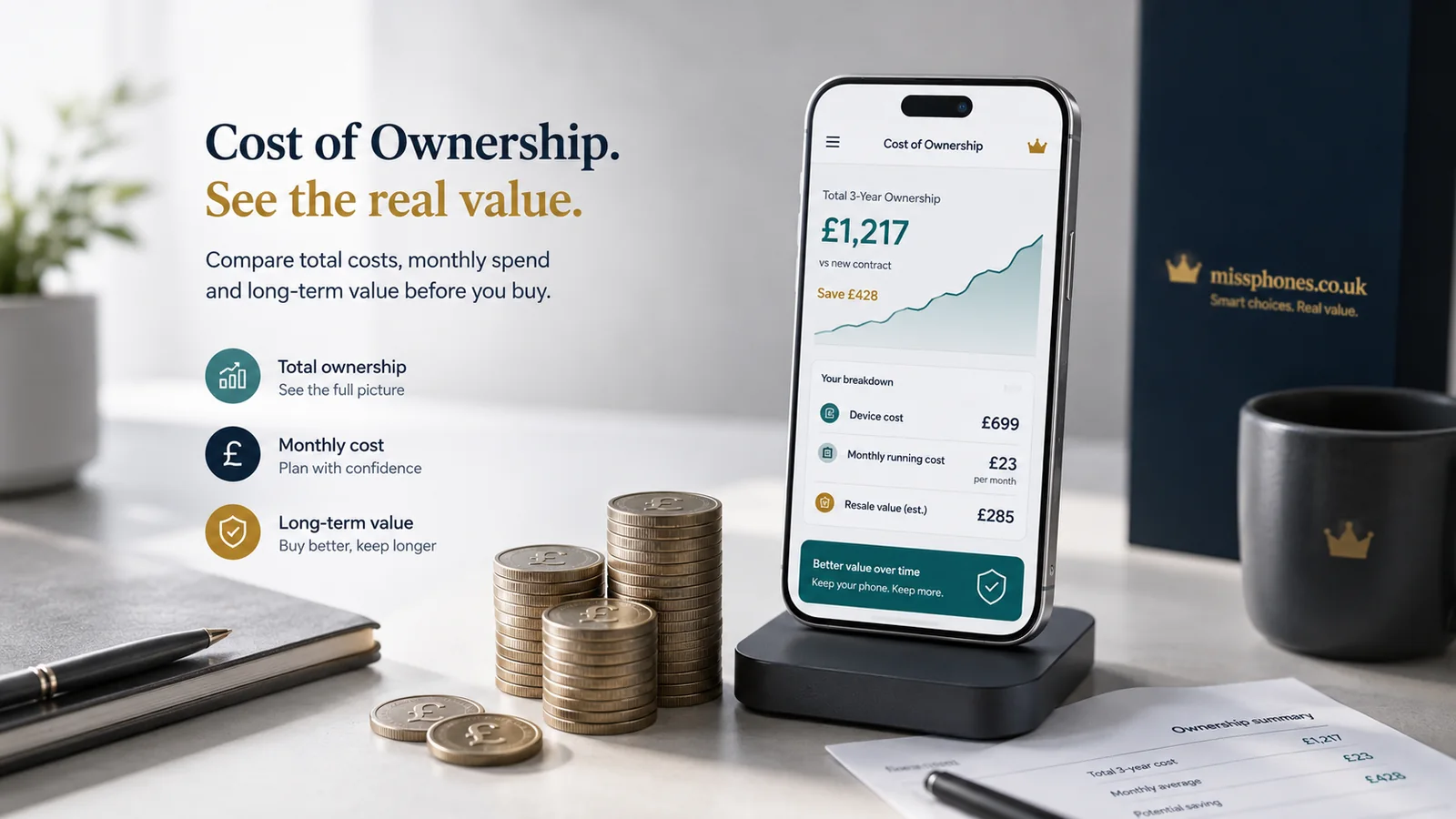
A £180 phone kept safely for three years costs £60 per planned year before repairs and resale. A £120 phone replaced after one year costs more per year and creates another buying decision. Use cautious ownership periods rather than assuming every handset will last until it physically stops turning on.
Protect the budget from false economy
Do not buy an unsupported phone, a damaged device you cannot test or a finance deal that depends on perfect future income. Budget buying is not about accepting every compromise; it is about paying only for compromises that do not undermine the intended use.
Primary references used for this guide: Budget Phone Buying
Practical checks for Budget Phone Buying
- Coverage before price:a cheap tariff has little value if it does not work where you regularly need it, with the budget buying case in mind. For this scenario, use current coverage information and, where practical, real-world experience in the places that matter when assessing Budget Phone Buying.
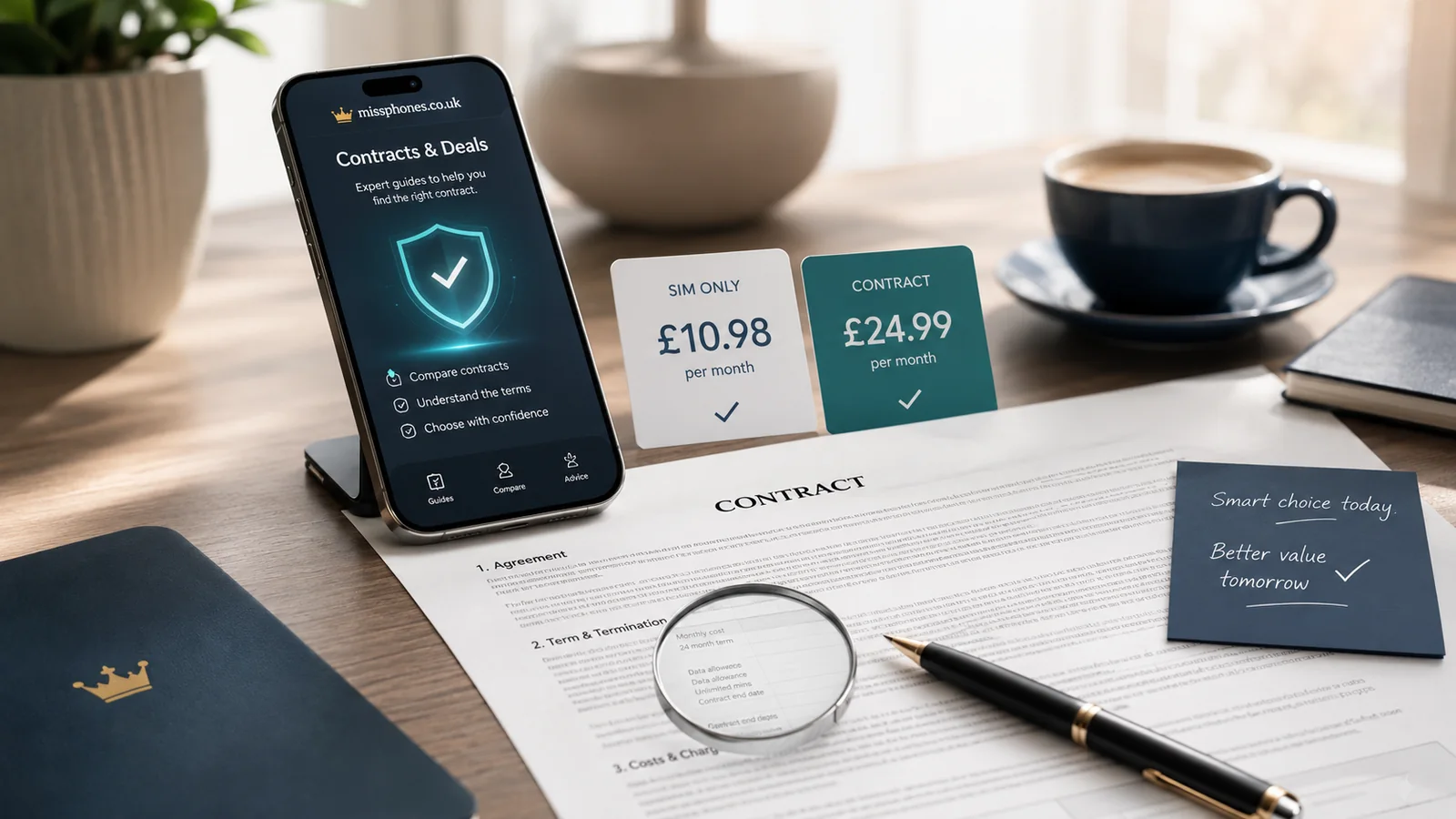
- Full commitment:add upfront charges and every required monthly payment over the minimum term, including any clearly stated scheduled price changes; apply this point to the budget buying question.
- Device and airtime are different costs:separate what you are paying for the handset from network service where possible, with the budget buying case in mind. For this page on Budget Phone Buying, this makes a contract comparable with an outright phone plus SIM-only route.
- Exit and flexibility:check minimum term, early-exit consequences, upgrade mechanics and what happens to the handset at the end, with the budget buying case in mind. For this page on Budget Phone Buying, a low monthly figure can hide a long inflexible commitment.