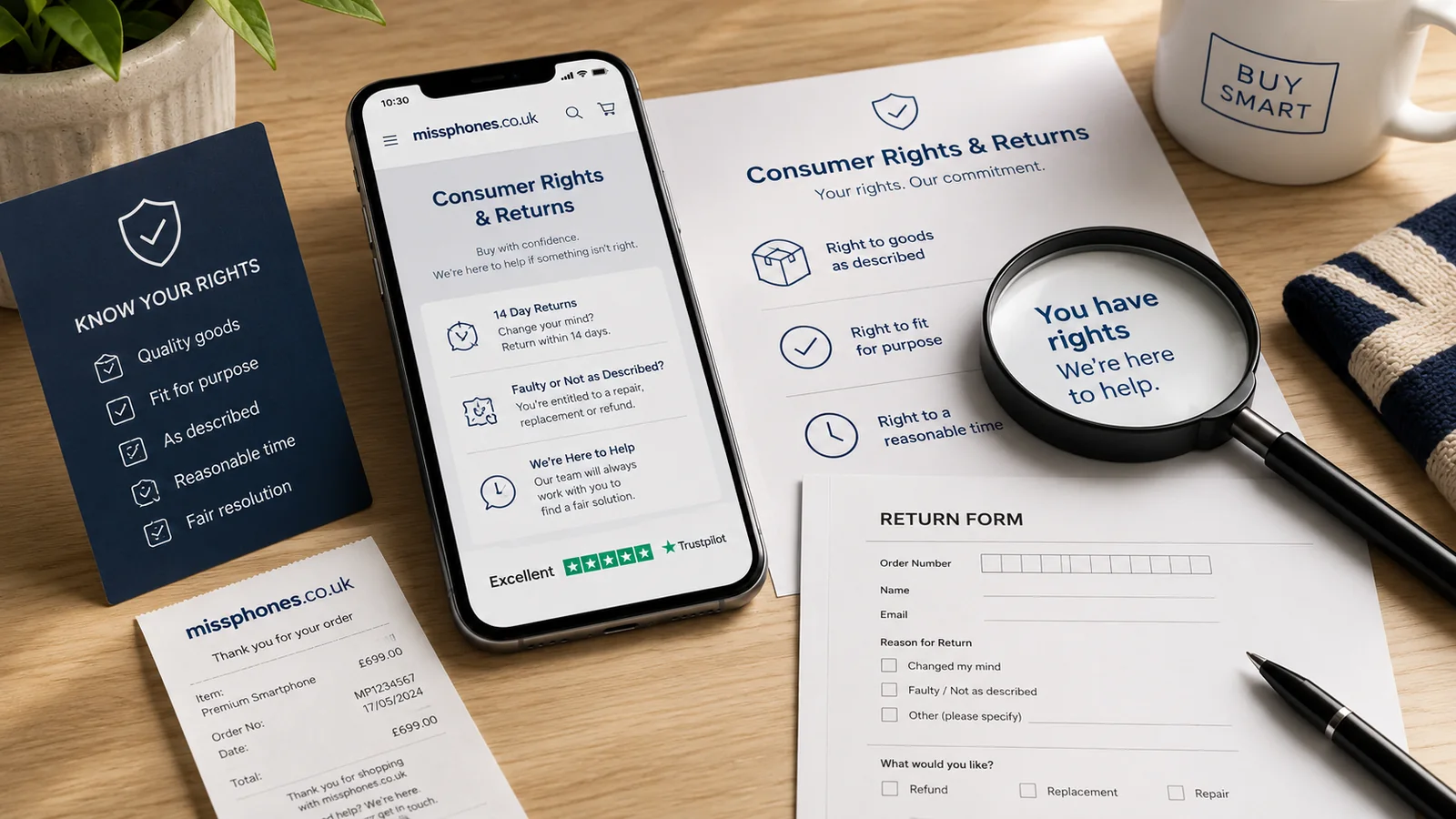
An original receipt is valuable because it can connect the phone to a seller, date, price and purchaser. It can support warranty, insurance, ownership and resale questions. It is not, however, a universal legal requirement for every remedy.
Where the receipt is especially useful

- showing the exact seller responsible for a faulty-goods claim;
- confirming purchase date for a commercial warranty;
- supporting an insurance claim where the policy requires proof of ownership;
- demonstrating provenance to a used-phone buyer;
- matching a repair or replacement to the original device.
What it does not prove by itself
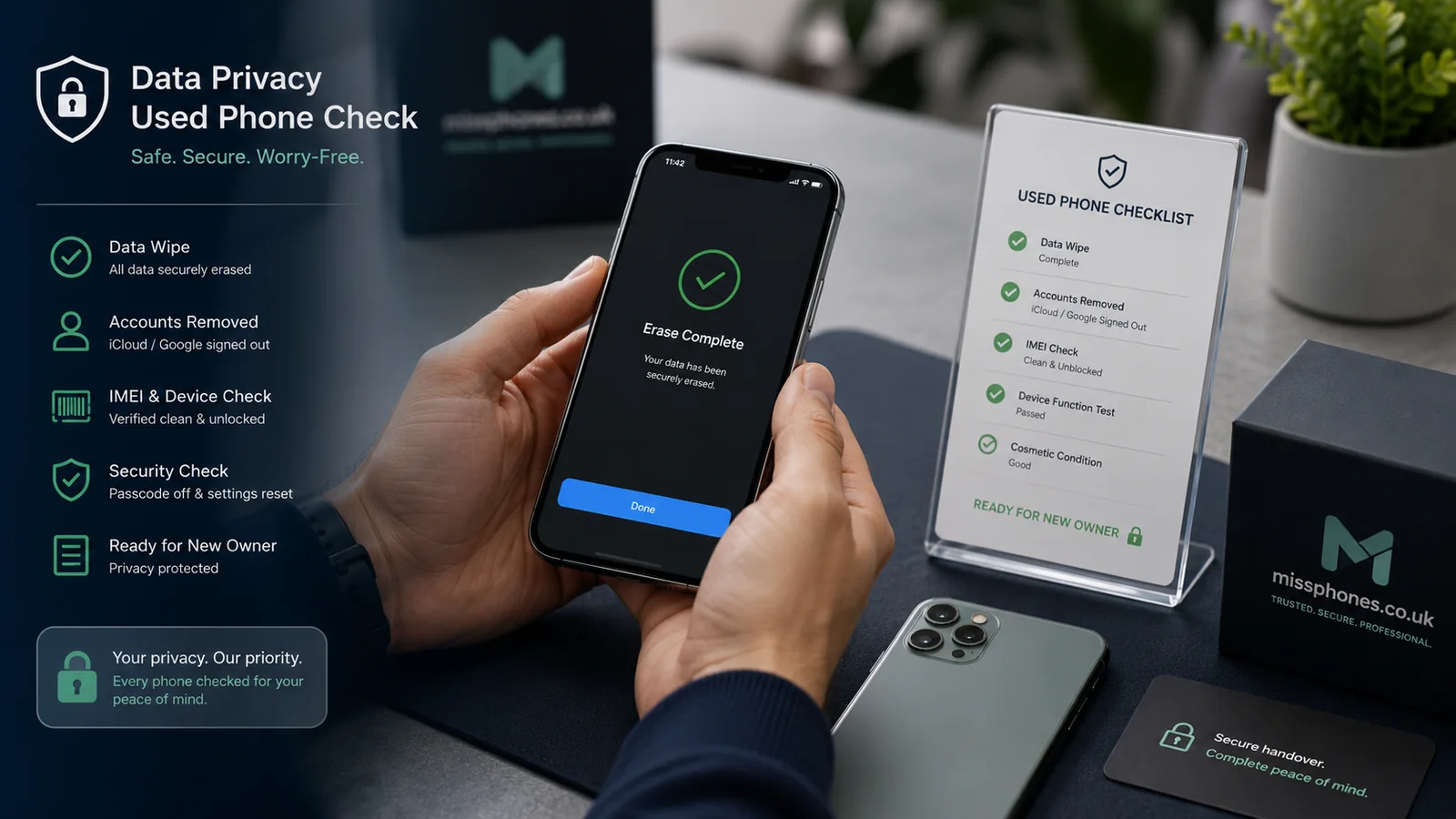
A receipt does not prove the phone is currently paid off, unlocked from every account, undamaged or owned by the person presenting the paper. Check the device identifiers and current circumstances as well.
Other evidence may be accepted
GOV.UK says a retailer can ask for proof that an item was bought from it, and that proof could be a sales receipt or other evidence such as a bank statement or packaging. A manufacturer warranty, insurer or trade-in service can set its own documentary requirements within the applicable rules, so check the current terms.
Buying used without the original receipt
Absence of the original receipt is not automatic proof of theft, but it increases uncertainty. Ask for the seller’s identity, written bill of sale, explanation of provenance, matching device identifiers and complete account-lock checks. Price the remaining risk rather than accepting a reassuring story.
Commercial terms can be stricter than general proof
A manufacturer may ask for an invoice from an authorised seller, while a retailer handling statutory rights may accept other proof that the purchase was made there. An insurer may require the purchaser, device and date to match the policy. Read the relevant process rather than assuming one document works everywhere.
Receipt and transferable value
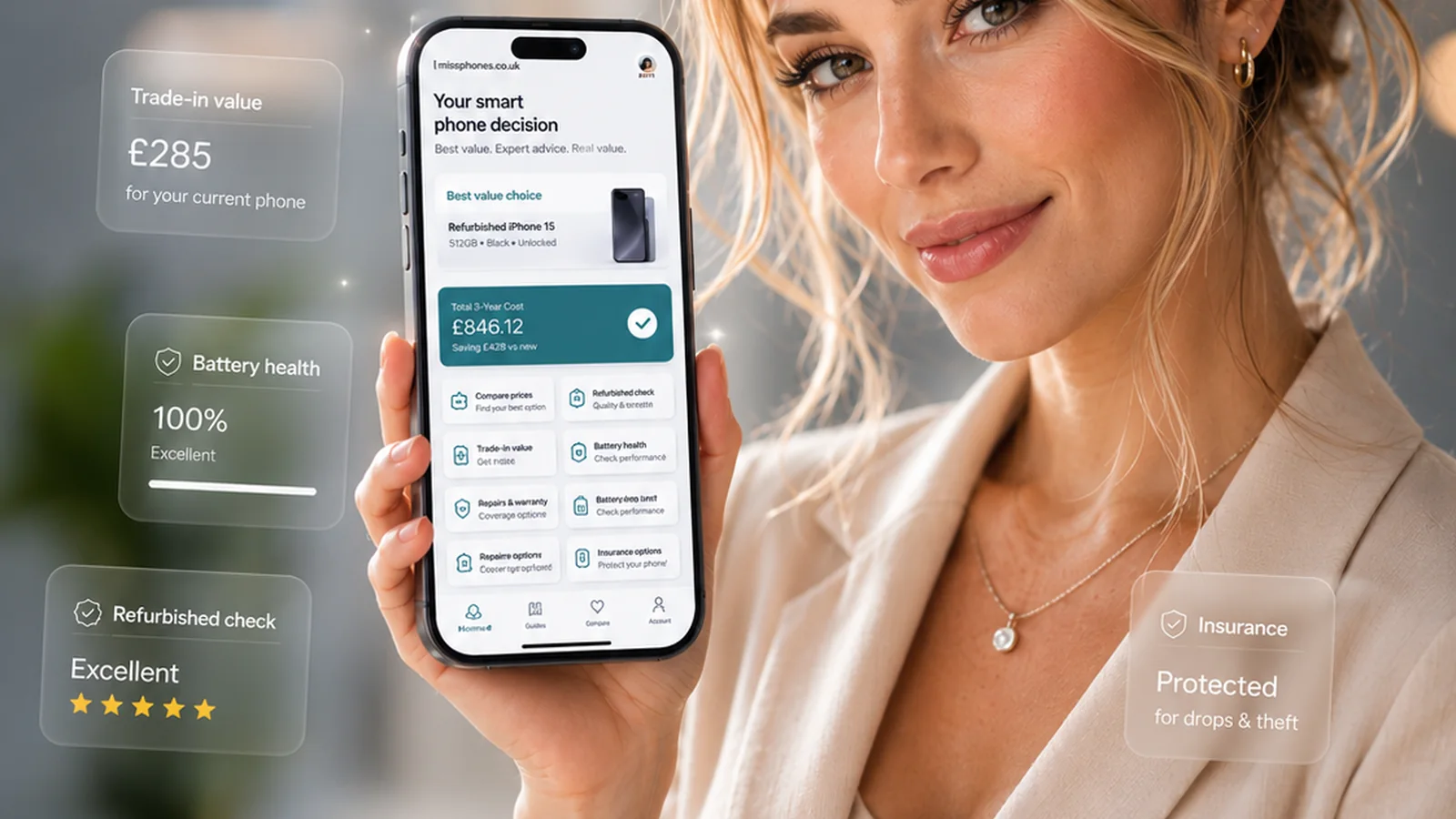
Providing a redacted copy can reassure a future buyer about age and provenance, but first check whether the document reveals personal or payment information. A receipt does not guarantee that a commercial warranty transfers to the new owner; the warranty terms decide that.
If the seller refuses all provenance questions
Do not invent a benign explanation. Combine the missing receipt with the price, seller identity, account-lock status, IMEI, condition and payment route. Where several uncertainties remain, the rational decision is to choose another phone.
Related guidance: Buying a Phone links this topic to the next practical step. Use the Complete Phone Buying Guide for the complete end-to-end decision.
Sources checked
Information checked on 26 July 2026. Retailer, provider and manufacturer terms can change, so confirm the current wording before acting.