A teenager’s phone should be affordable to lose or repair, supported for the intended ownership period and manageable without turning ordinary family boundaries into constant surveillance. Start with the practical tasks and family rules, not the most requested model.
Set the replacement and running-cost limit

Decide what would happen after a cracked screen, lost device or unauthorised purchase. Include:
- handset cost and likely repair price;
- case and screen protection;
- airtime and roaming;
- insurance premium and excess, if used;
- app, game and cloud-storage spending.
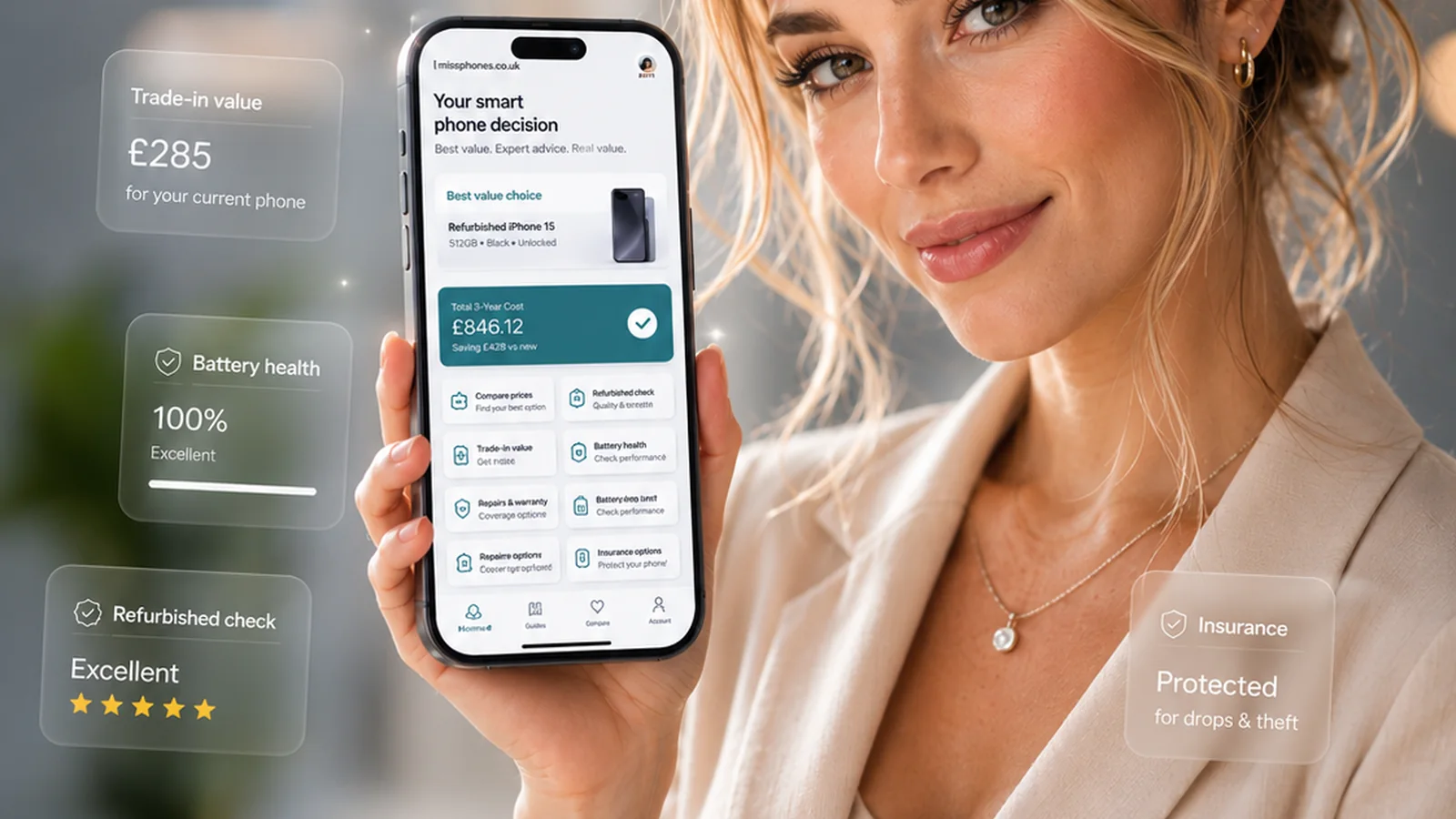
A previous-generation or reputable refurbished phone can be sensible where it still has enough security support and the seller provides clear returns, battery and warranty terms.
Check family-management compatibility
| Need | Verify before buying |
|---|---|
| App approvals and purchases | Apple Screen Time/Family Sharing or Google Family Link setup for the family’s devices |
| Location sharing | How it works, who can see it and how the teenager can get help |
| Downtime and content limits | Whether settings apply to the apps and browsers actually used |
| Account recovery | Adult recovery details that do not depend on the lost phone alone |
Apple and Google both provide family-management tools, but features and age rules vary. Set up the correct child or teen account rather than sharing an adult account and password.
Choose durability and repairability
Check case availability, screen-repair cost, battery replacement and local repair options. A very large glass-backed phone may cost more to protect and repair than a modest model that meets the same daily needs.
Agree the operating rules before handover
- who pays for accidental damage;
- what purchases require approval;
- what happens if the phone is lost;
- when location sharing is used;
- which account details the family must retain;
- how school rules affect use.
Plan for school and social pressure without buying blindly
Check the apps genuinely required for school, travel and family contact. A specific model may be popular, but compatibility and social expectations do not automatically justify flagship cost. Agree a maximum replacement budget and consider a supported previous-generation device rather than an unsupported cheap phone.
Insurance or self-insurance
Compare the premium plus the excess with the cost of a common screen repair or replacement phone. Read unattended-property, loss and theft conditions. A policy that the teenager cannot realistically comply with may provide less value than keeping a repair reserve.
Privacy and trust
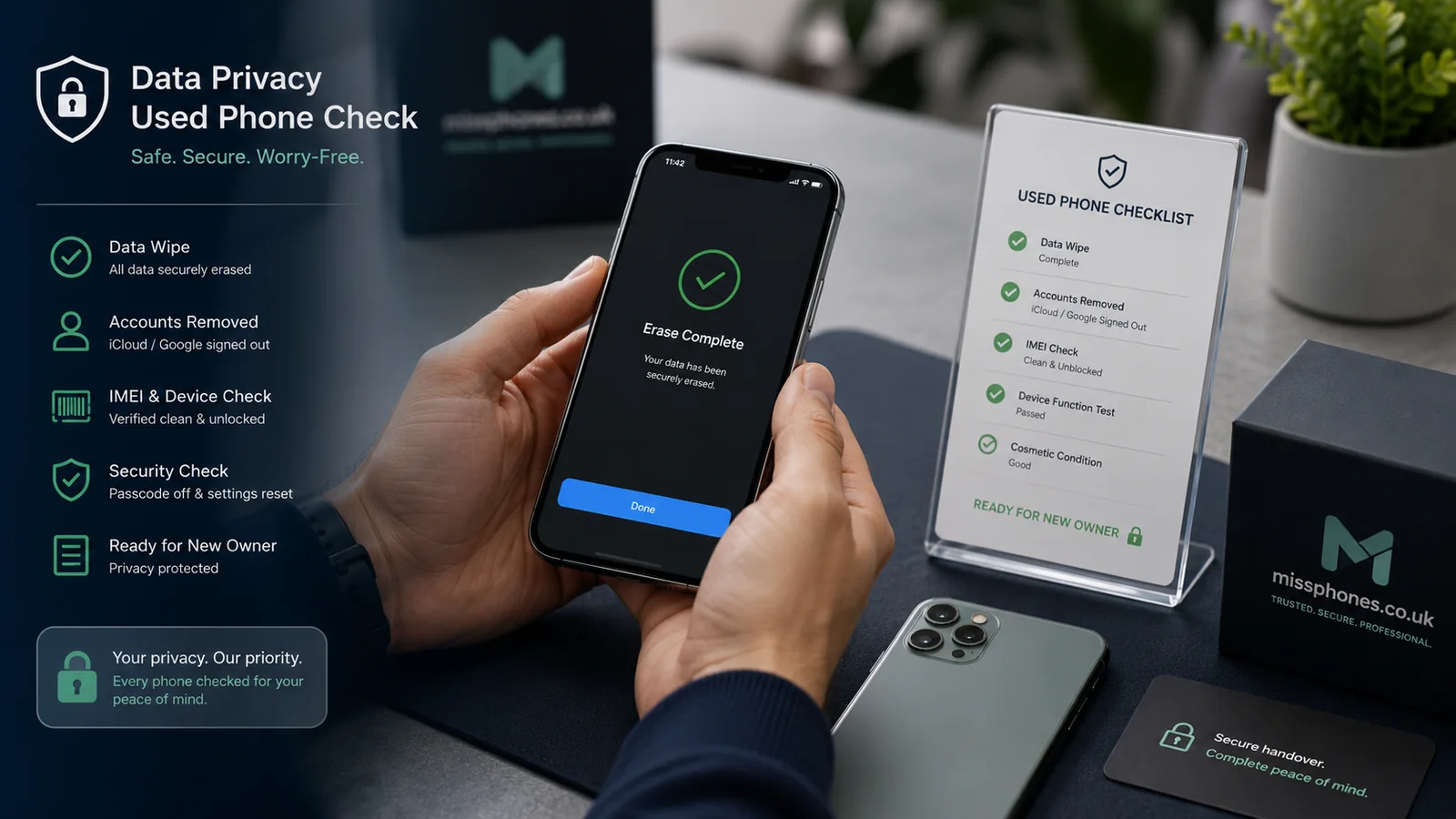
Family controls should be explained rather than installed secretly. Decide which settings protect spending and safety, which information adults can see and how the arrangement changes as the teenager becomes more independent. Keep recovery access without sharing the teenager’s everyday passcode unnecessarily.
For the wider Choosing a Phone for a Teenager decision, continue with Buying a Phone, then Complete Phone Buying Guide.